Best Commercial LED Lighting for Australian Sites
By All Phase Electrical QLD · Published · Updated
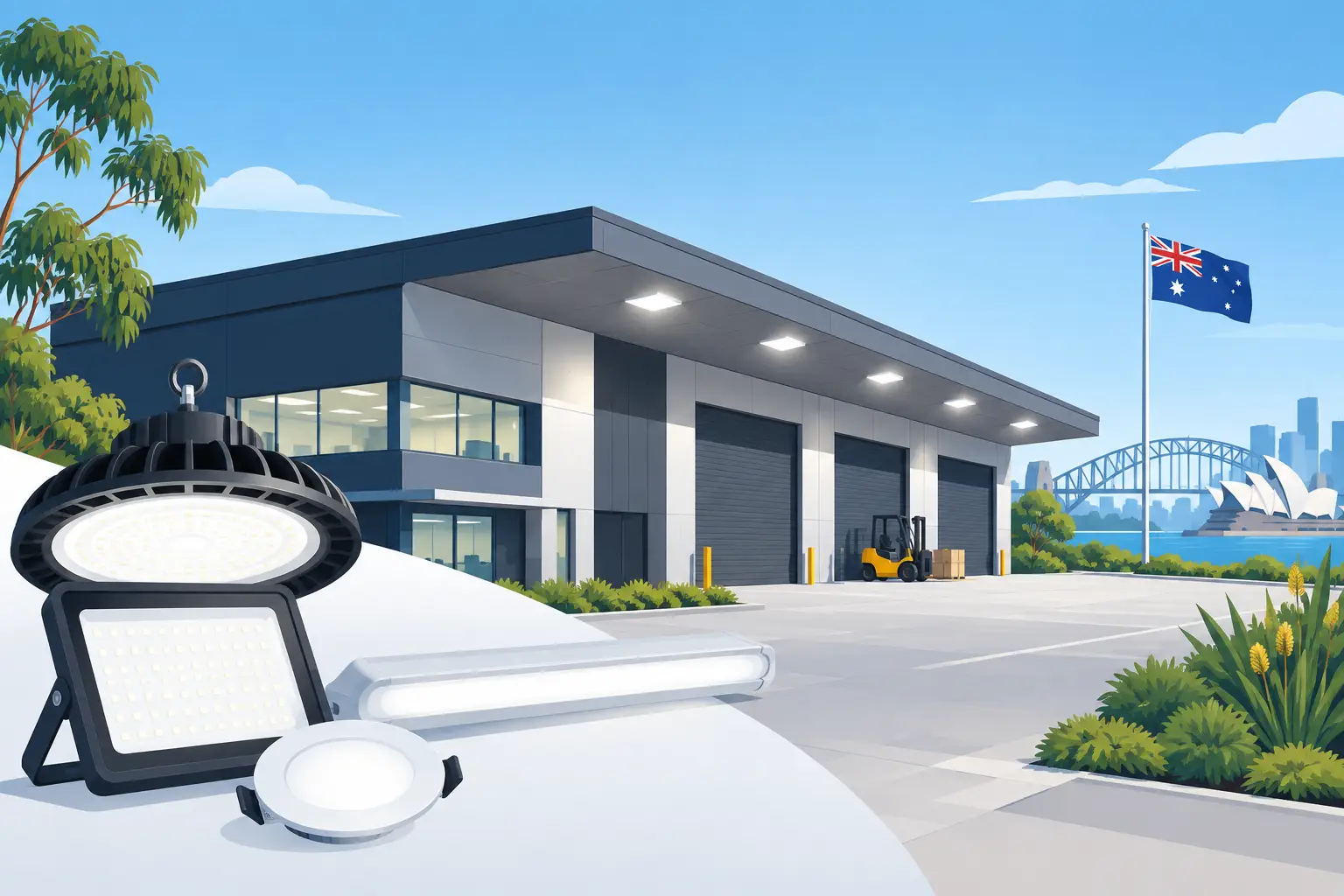
A dim warehouse aisle, glare across a reception counter or a car park with dark corners is more than an inconvenience. It can affect safety, staff comfort, customer confidence and day-to-day productivity. The best commercial LED lighting is not simply the brightest fitting available. It is a planned system that gives each part of your premises the right light level, coverage, control and reliability.
For businesses across Ormeau, the Gold Coast and Logan, LED upgrades can reduce operating costs while improving how a workplace looks and functions. The right result depends on the building, the work performed there and the condition of the existing electrical installation.
What Makes the Best Commercial LED Lighting?
A quality commercial lighting solution begins with the task, not the product catalogue. A workshop, medical practice, office, retail floor and loading bay all need different lighting outcomes. Installing one style of fitting throughout a site may appear economical at first, but it often creates dark work areas, unnecessary energy use or uncomfortable glare.
The best commercial LED lighting balances five practical considerations: light output, beam distribution, colour temperature, colour rendering and controls. It also needs to be fitted safely on an appropriate circuit, with switching and emergency lighting considered as part of the broader electrical design.
Light output is measured in lumens, rather than relying on old wattage comparisons. However, more lumens do not automatically mean better visibility. A high-output fitting installed too low or aimed poorly can create harsh shadows and reflections. The layout needs to account for mounting heights, shelving, machinery, workstations, windows and the colour of walls and ceilings.
Choose lighting for the work being done
Office areas generally benefit from even, low-glare lighting that supports screen work and concentration. Retail spaces need flattering, consistent illumination that helps customers see products and move comfortably through the store. Warehouses and workshops often require higher light levels across aisles, benches and operational zones, while external areas need dependable coverage without spilling excessive light into neighbouring properties.
Colour temperature also changes how a space feels. Warm white light can suit hospitality and customer-facing settings where a more relaxed appearance is wanted. Neutral or cool white is commonly selected for offices, warehouses and task-based environments because it presents a cleaner, more alert working environment. There is no universal best choice. The fitting must suit the location and intended use.
Colour rendering is particularly relevant in retail, medical settings, salons, food preparation areas and any workspace where staff need to distinguish colours accurately. A better colour rendering rating can make products, finishes, wiring and safety labels easier to see, but it may come at a higher purchase price. It is usually worthwhile where visual accuracy matters.
Match LED Fittings to Each Commercial Area
Commercial sites rarely have one lighting requirement. Treating the premises as separate zones produces a more useful and efficient result.
High-bay LED fittings are commonly used in warehouses, factories and large workshops with tall ceilings. Their focused output can light racking aisles and floor areas from height. The key is spacing them correctly. Too few fittings can leave patchy areas between bays, while excessive output can waste power and create glare below.
Low-bay fittings may be better for lower warehouse ceilings, storerooms and workshops. LED panels, recessed lights and linear fittings are often suited to offices, classrooms, reception areas and retail spaces because they distribute light evenly across ceilings and work surfaces.
For external areas, weather-rated floodlights, wall packs, bollards and canopy lighting can improve visibility around entrances, pathways, loading areas and car parks. External lighting should be aimed carefully. Light directed into drivers' eyes, nearby homes or security cameras can reduce rather than improve visibility.
Emergency and exit lighting should never be treated as an afterthought during an LED upgrade. These fittings have specific compliance, testing and maintenance requirements. A qualified electrician can assess whether the existing system remains suitable after a layout change, tenancy alteration or refurbishment.
Energy Savings Matter, But So Does Whole-of-Life Cost
LED lighting typically uses less electricity than older fluorescent, halogen and metal-halide systems. For businesses operating long hours, the savings can be significant. LEDs also generally last longer, reducing the disruption and labour associated with frequent lamp changes, particularly where fittings are installed above racking, machinery or high ceilings.
Still, the cheapest LED fitting is not always the lowest-cost choice over time. Poor-quality drivers can fail early. Inferior fittings may lose brightness faster, produce inconsistent colour or offer limited replacement support. In a busy commercial setting, the cost of hiring access equipment, closing an area or interrupting operations can quickly outweigh a small saving on the initial product price.
Look beyond the advertised wattage. Compare the fitting's light output, efficiency, expected service life, warranty, environmental rating and suitability for the installation location. In areas with heat, dust, moisture, vibration or salt air, a standard indoor fitting may not last as intended.
Use Controls to Avoid Lighting Empty Spaces
Lighting controls can improve the return on an LED upgrade, especially in businesses where different areas are used at different times. Simple zoning allows staff to switch only the lights they need. This is often more practical than running every fitting from one switch at the front door.
Sensors can be useful in storerooms, bathrooms, corridors, plant rooms and low-traffic areas. Daylight sensors may reduce artificial lighting near windows, skylights or roller doors when natural light is available. Timers and programmed controls can suit car parks, signage and external building lighting.
Controls need to match how people actually use the premises. A sensor that turns lights off while staff are still working is frustrating and can become a safety issue. Likewise, overly complicated control systems may be ignored or overridden. A well-designed setup should be straightforward for staff and facility managers to operate.
Compliance and Installation Should Be Part of the Plan
Commercial lighting work involves more than replacing fittings. Existing circuits may need assessment for load, condition, protection and switching arrangements. Older premises can have damaged cabling, ageing switchboards, unsuitable fittings or undocumented alterations that need attention before new lighting is installed.
A licensed electrician should inspect the site and recommend a suitable layout before work begins. This helps identify whether new circuits, switchboard upgrades, emergency lighting work or additional protection are required. It also allows the installation to be planned around trading hours, staff access and equipment that cannot be shut down easily.
Australian commercial premises may have obligations under electrical safety requirements, workplace safety duties and building standards. The specific requirements vary by site and use. For example, a small office fit-out has different risks from a workshop, commercial kitchen or warehouse with high-level storage. Professional advice is particularly valuable when work affects emergency systems, exit paths, wet areas, hazardous locations or public access areas.
At All Phase Electrical, commercial LED lighting projects are assessed with the surrounding electrical system in mind, not as an isolated fitting replacement. That approach helps businesses avoid installing new lights onto circuits or controls that are already due for attention.
Signs Your Existing Lighting Needs an Upgrade
Flickering tubes, slow-starting fittings and repeated globe replacements are clear warning signs, but they are not the only reasons to review commercial lighting. Uneven brightness, complaints of eye strain, dark external access points and high power bills can all point to an inefficient or poorly designed system.
An upgrade may also be worthwhile after a change in how a space is used. New shelving can block warehouse light. A reception redesign can create glare at desks. Additional workstations can make an office feel underlit. Security cameras may need improved, more even illumination to capture useful footage at night.
Before selecting fittings, walk through the premises at the times it is busiest and darkest. Ask staff where they struggle to see, which lights fail regularly and which switches are inconvenient. Those details often reveal the issues a basic like-for-like replacement would miss.
The right commercial LED installation should make the workplace easier to operate from the first switch-on: clearer work areas, safer access, lower waste and fewer lighting problems competing for attention.