Commercial Electrical Maintenance That Prevents Downtime
By All Phase Electrical QLD · Published · Updated
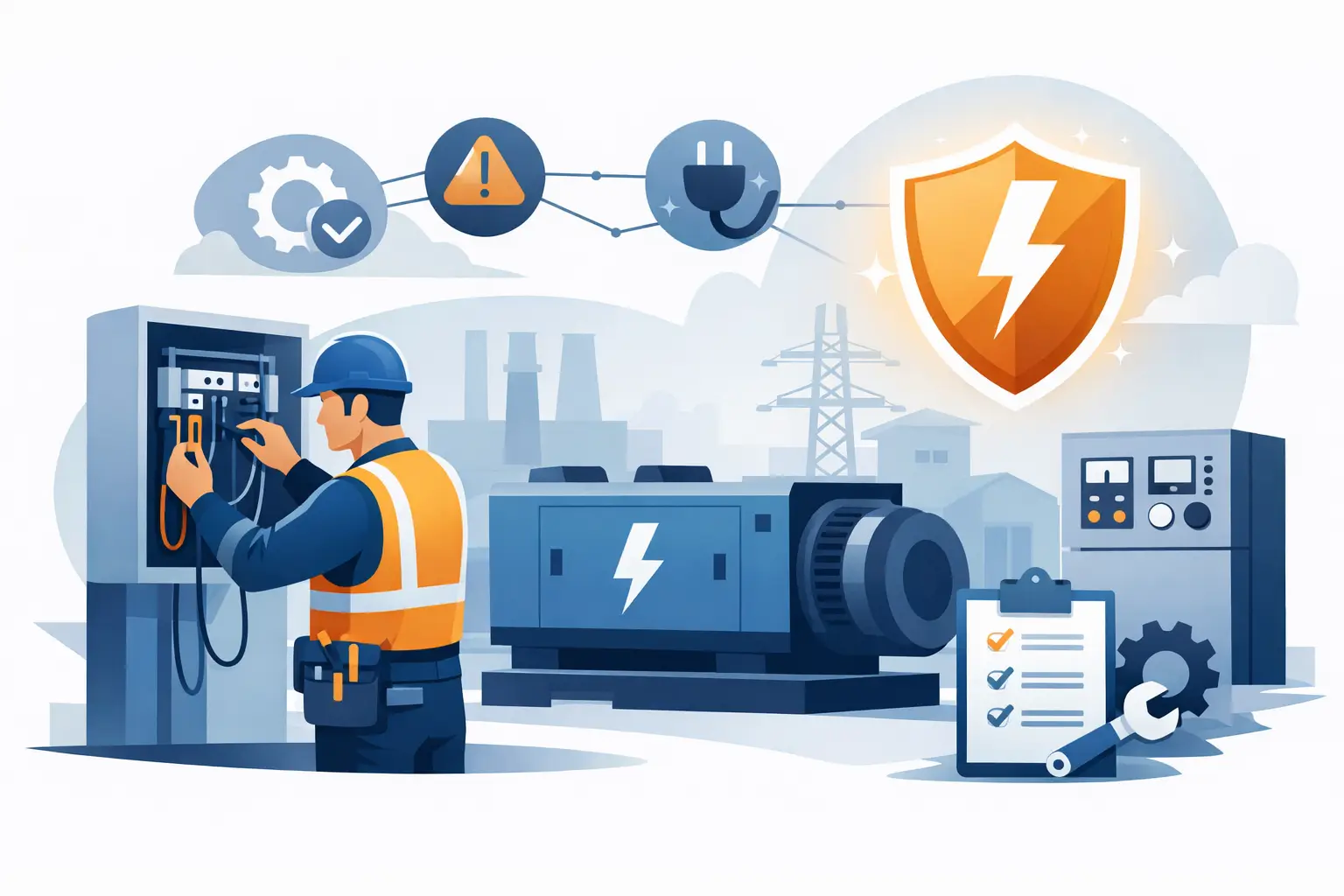
A switchboard fault at 9:15 on a Monday morning can stop a business faster than most owners expect. Lights go out, equipment drops offline, staff stand around waiting, and customers notice straight away. That is why commercial electrical maintenance matters. It is not just about ticking a compliance box. It is about keeping your premises safe, your operations running, and your repair costs under control.
For businesses across Ormeau, the Gold Coast and Logan, electrical issues rarely arrive at a convenient time. They show up during trading hours, in peak production periods, or just before a property handover. A planned maintenance approach reduces that risk. It gives you a clearer picture of the condition of your electrical systems before a fault turns into downtime, stock loss, or a safety incident.
What commercial electrical maintenance actually covers
Commercial sites put more strain on electrical systems than most residential properties. There is usually a higher load, longer operating hours, and more equipment running at once. Offices, retail stores, warehouses, workshops, strata properties and hospitality venues all have different usage patterns, which means maintenance needs to match the site rather than follow a one-size-fits-all schedule.
Commercial electrical maintenance generally includes inspection, testing, adjustment, repairs and replacement of worn or unsafe components. That can involve switchboards, lighting circuits, power outlets, RCDs, emergency lighting, data and communications infrastructure, air conditioning supplies, external lighting, security systems and other connected services. In some premises, thermal imaging and load checks may also be useful where heat build-up or uneven distribution is a concern.
The goal is simple. Pick up issues early, keep systems compliant, and make sure the electrical setup still suits the way the property is being used.
Why planned maintenance saves money
A lot of businesses only call an electrician when something stops working. That approach can seem cheaper in the short term, but it often costs more over time. Emergency repairs usually happen under pressure. Fault finding can take longer when systems have been neglected, and the business may already be losing revenue while the problem is being located and repaired.
Planned maintenance changes that equation. It allows faults to be identified while they are still small enough to manage. A loose connection in a switchboard, a failing RCD, deteriorated cabling insulation or overloaded circuit may not shut the site down today, but each one can create larger problems if left alone.
There is also the broader cost to consider. Downtime affects staff productivity, customer experience and, in some industries, stock or equipment integrity. If refrigeration, security systems, access control or communications drop out, the impact can move beyond the original electrical fault very quickly.
Safety and compliance are not optional
Electrical safety in a commercial environment carries more responsibility than many operators realise. Employers, landlords, property managers and facility managers all have obligations to provide a safe environment for workers, tenants and the public. If an electrical fault causes injury, fire or property damage, questions will be asked about maintenance history, testing and whether issues were ignored.
That is one reason regular inspection and testing is worth treating seriously. Not every site needs the same maintenance frequency, and it depends on the age of the installation, the type of business, moisture exposure, equipment load and how harsh the environment is. A retail tenancy with standard lighting and power needs will not have the same risk profile as a workshop with machinery, dust and heavier current demand.
A licensed electrician can assess those conditions and recommend a maintenance schedule that makes sense for the premises. The right schedule is practical, not excessive. Too little maintenance leaves risk on the table. Too much can waste time and budget without adding much value.
Signs your site is overdue for commercial electrical maintenance
Some businesses operate for years with the same electrical setup while the way they use the premises changes completely. More workstations get added, extra air conditioning units go in, display lighting increases, kitchen equipment is upgraded, and suddenly the original circuits are carrying far more than they were designed for.
A few warning signs tend to show up before a larger failure. Flickering lights, warm switchboards, frequently tripping breakers, dead outlets, damaged fittings, buzzing sounds, burnt smells and inconsistent equipment performance should all be checked. So should emergency and exit lighting that has not been tested properly, especially in buildings where public access is part of normal operation.
Even if there are no obvious faults, age alone is a reason to review the installation. Older switchboards, outdated protection devices and previous add-on work can leave a site with hidden weaknesses that only become obvious under load or during a fault.
What a maintenance visit should achieve
A proper maintenance visit should do more than confirm that power is still on. It should identify wear, assess safety, check protective devices and highlight any areas where the installation no longer matches the needs of the business.
That means looking at the condition of fittings and accessories, checking switchboards for signs of heat or deterioration, testing safety devices, reviewing external and internal lighting, and making sure circuits are performing as expected. In many commercial sites, maintenance also needs to consider associated systems such as CCTV, security lighting, air conditioning supply and other essential services that rely on stable electrical performance.
Clear reporting matters as well. Business owners and property managers do not need a lecture in technical language. They need a straightforward explanation of what was checked, what needs attention now, and what should be planned for later. That makes budgeting easier and helps avoid the common problem of small recommended works being forgotten until they become urgent.
Maintenance looks different across business types
A small office may mainly need reliable lighting, general power, data support and safe switchboard operation. A retail shop often depends on display lighting, signage, EFT systems, security and air conditioning, where even a short outage affects trading. Warehouses and industrial-style sites may have greater risk from high loads, motor-driven equipment, three-phase supply or rougher operating conditions.
Hospitality venues can be especially sensitive because they combine lighting, refrigeration, kitchen equipment, exhaust systems, customer areas and longer trading hours. In those settings, electrical faults can interrupt service immediately and create safety issues for both staff and patrons.
That is why maintenance should be tied to the site, not a generic checklist copied from somewhere else. The best result comes from understanding how the premises operates day to day and where the business is least able to tolerate disruption.
Choosing the right electrical contractor
Commercial work is not the place to take chances with unqualified or poorly organised trades. You want a licensed electrician who can handle routine maintenance, identify compliance concerns, and respond when a fault does happen. That matters even more if your property also relies on linked systems such as air conditioning, security cameras, switchboard upgrades or after-hours support.
For many businesses, there is a real advantage in using one contractor who can manage the broader electrical picture rather than splitting work across multiple providers. It simplifies communication, improves accountability and helps create a more accurate maintenance record over time. A local contractor also understands the pace and practical demands of businesses across Ormeau, the Gold Coast and Logan, where response times and reliable attendance are part of the service, not an extra.
All Phase Electrical works with commercial clients who need that kind of dependable support - from routine maintenance through to urgent fault repairs and upgrade work.
A smarter way to think about electrical upkeep
The most effective maintenance plans are not built around fear. They are built around control. You want fewer surprises, safer systems, and a clearer understanding of what your site needs now versus what can be scheduled later.
If your business has been relying on reactive callouts, now is a good time to change that approach. Commercial electrical maintenance gives you a practical way to reduce avoidable faults, protect your premises and keep your operations moving. When the electrical system is working as it should, your staff can get on with the job and your customers never have to notice what is happening behind the scenes.
Turn inspection findings into a site-specific plan
Create an asset list covering the main board and sub-boards, protective devices, lighting, outlets, fixed equipment and connected systems. Include solar equipment, EV charging, pumps or specialised machinery where present. Record previous repairs, recurring trips and equipment that cannot be switched off during normal hours.
For each maintenance item, record who is responsible, when it is due and whether isolation or tenant coordination is required. Separate immediate safety concerns from work needed soon and improvements that can be scheduled later. Retain test results, fault descriptions, repair invoices and outstanding recommendations together.
Review the plan when a tenancy adds equipment or changes business use. Staff should know who to contact during a fault and which equipment is critical, but should not attempt repairs or repeatedly reset tripping circuits.
A well-maintained site rarely gets attention, and that is exactly the point.