Electrical Defect Notice Meaning Explained
By All Phase Electrical QLD · Published · Updated
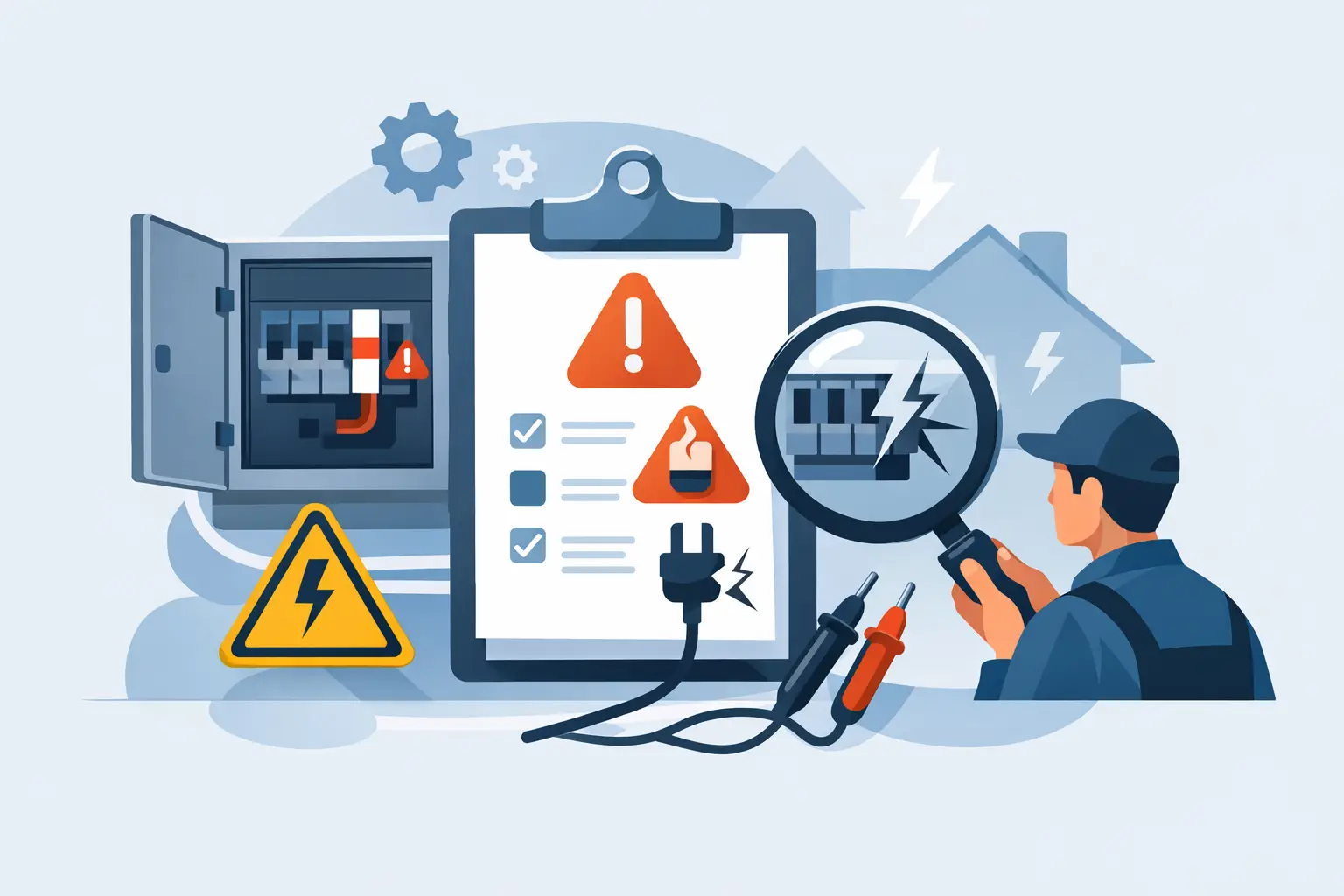
A notice in the letterbox or attached to your meter box can feel alarming, particularly when it refers to a fault you cannot see. The electrical defect notice meaning is straightforward: someone has identified an electrical issue that may be unsafe, non-compliant or in need of repair, and the responsible person must take action within the stated timeframe.
For homeowners, landlords and business operators across Ormeau, the Gold Coast and Logan, this is not paperwork to put aside. A defect notice can affect the safety of people on the property and, in some circumstances, the ongoing connection of the electricity supply. The right response is to have the issue assessed and repaired by a licensed electrician, then follow the notice's instructions for confirming the work has been completed.
What an electrical defect notice actually means
An electrical defect notice is a formal record of an identified problem with electrical equipment or an installation. It may be issued after an electricity distributor, electrical inspector or licensed electrical worker observes a defect during an inspection, meter-related work, connection work or attendance at the property.
The notice should identify the affected area, the nature of the defect and the action required. It may refer to a meter panel, switchboard, consumer mains, earthing system, wiring, electrical accessories or other parts of the installation. It should also state a deadline or indicate whether urgent action is required.
Receiving a notice does not necessarily mean the entire property wiring system is unsafe. It means a specific concern has been identified and needs proper attention. Some issues are visible and relatively contained, such as a damaged meter enclosure. Others can involve hidden wiring, an inadequate earth connection or overloaded equipment, which require further testing before the full scope of repairs is clear.
In Queensland, the exact process depends on who issued the notice and the type of defect found. Read every detail rather than relying on a neighbour's experience or an online explanation. The notice itself is the starting point for the electrician attending your property.
Common reasons a defect notice is issued
Electrical defects are often found around the point where the network supply meets the private installation. Ageing equipment, weather exposure, renovations and unqualified alterations can all create issues that are not obvious during daily use.
Common reasons include:
- damaged, cracked or unsecured meter panels and enclosures
- exposed cables, deteriorated insulation or accessible live parts
- a switchboard with unsafe components, missing covers or signs of overheating
- inadequate earthing or bonding arrangements
- damaged consumer mains between the meter and switchboard
- water ingress around electrical equipment
- wiring or equipment that does not meet current safety requirements following alterations
A defect notice can also follow storm damage, a vehicle impact, pest damage or corrosion. Coastal and humid conditions around the Gold Coast can be particularly hard on external electrical equipment over time. What appears to be minor rust or a loose cover may allow water or accidental contact with live components.
What to do after receiving a defect notice
Start by checking whether the notice describes an immediate danger, a disconnection risk or a date by which repairs must be completed. Keep the notice somewhere accessible and take clear photos of the affected equipment if it is safe to do so. Do not remove covers, touch exposed wiring or attempt a temporary repair yourself.
If there is smoke, sparking, a burning smell, electric shocks, fallen lines or visible damage that could expose live parts, keep people away from the area. If it is safe, turn off power at the main switch without approaching damaged equipment. For an immediate threat to life or property, call 000. Electrical supply faults and damaged network equipment may also need to be reported to the relevant electricity distributor.
For non-emergency defects, arrange a licensed Queensland electrician promptly. Provide the notice before the appointment or have it ready on site. This helps the electrician understand what has already been identified and assess the affected equipment, as well as any connected components that may have contributed to the problem.
After inspecting the installation, the electrician can explain what must be repaired to address the notice and what, if anything, is recommended separately. This distinction matters. A notice may require a particular safety repair, while an older switchboard or broader upgrade may be sensible but not mandatory at that time. A clear quote should separate urgent compliance work from optional improvements.
Once the repair is complete, keep all paperwork provided by the electrician. Depending on the work and the issuing authority, the defect may need to be formally cleared, or the issuer may need evidence that the work has been completed. Your electrician can advise on the required documentation, but the property owner should retain copies for future sale, tenancy or insurance records.
Who is responsible for fixing the defect?
Responsibility is not always as simple as the defect being near the meter. The electricity network is generally responsible for its own supply infrastructure, while the owner is commonly responsible for the private electrical installation serving the property. The boundary can vary depending on the equipment involved, so do not assume that the distributor will repair anything simply because it is outside the house.
For rental properties, landlords are generally responsible for maintaining the electrical installation in a safe condition. Tenants should report the notice and any signs of electrical damage immediately, rather than arranging unapproved work or ignoring the issue. Property managers can coordinate access, but urgent safety decisions should not be delayed by routine approval processes.
In a commercial tenancy, responsibility may depend on the lease and whether the defective equipment serves the tenancy alone or the wider building. Facility managers should check the notice, lease obligations and site access requirements early. Where a business cannot safely operate, a prompt assessment may limit downtime and avoid disruption to staff, customers or refrigeration, security and IT systems.
Can you keep using electricity after a defect notice?
It depends on the defect and the wording of the notice. Some defects allow a short period for rectification while the installation remains in service. Others require the affected circuit or equipment to be isolated immediately. Serious defects can lead to disconnection until repairs are completed and the installation is safe to reconnect.
Do not judge the risk by whether lights and power points still work. Electrical faults can exist behind panels, inside cable insulation or in earthing systems without causing an obvious outage. Continuing to use damaged equipment can increase the risk of electric shock, fire or further damage.
A licensed electrician can advise whether temporary isolation is necessary, whether the whole property needs to be switched off and what repairs are required to restore safe operation. If the supply has already been disconnected, reconnection may involve both electrical repair work and the distributor's process. This is another reason to act early rather than waiting until the deadline.
Do not confuse a defect notice with a general recommendation
A pre-purchase inspection, maintenance report or electrician's quote may identify items worth improving, but these are not automatically defect notices. A formal notice usually has a clear issuer, a description of the fault, a required action and a timeframe.
That said, a formal notice should not be treated as the only reason to repair ageing electrical equipment. Repeated tripping, warm switchboard covers, flickering lights, damaged power points and nuisance shocks all warrant professional attention before they become a notice or an emergency.
Electrical defect notice meaning for local property owners
The practical electrical defect notice meaning is that a qualified assessment and timely repair are needed, not guesswork or a DIY fix. Acting quickly protects the people using the property, helps prevent supply interruptions and creates a clear record that the issue was handled correctly.
All Phase Electrical can assess reported defects and complete licensed electrical repairs for homes and businesses across Ormeau, the Gold Coast and Logan. Keep the notice, arrange an inspection promptly and let a licensed electrician confirm the safest path forward.