Emergency Electrical Repairs Done Properly
By All Phase Electrical QLD · Published
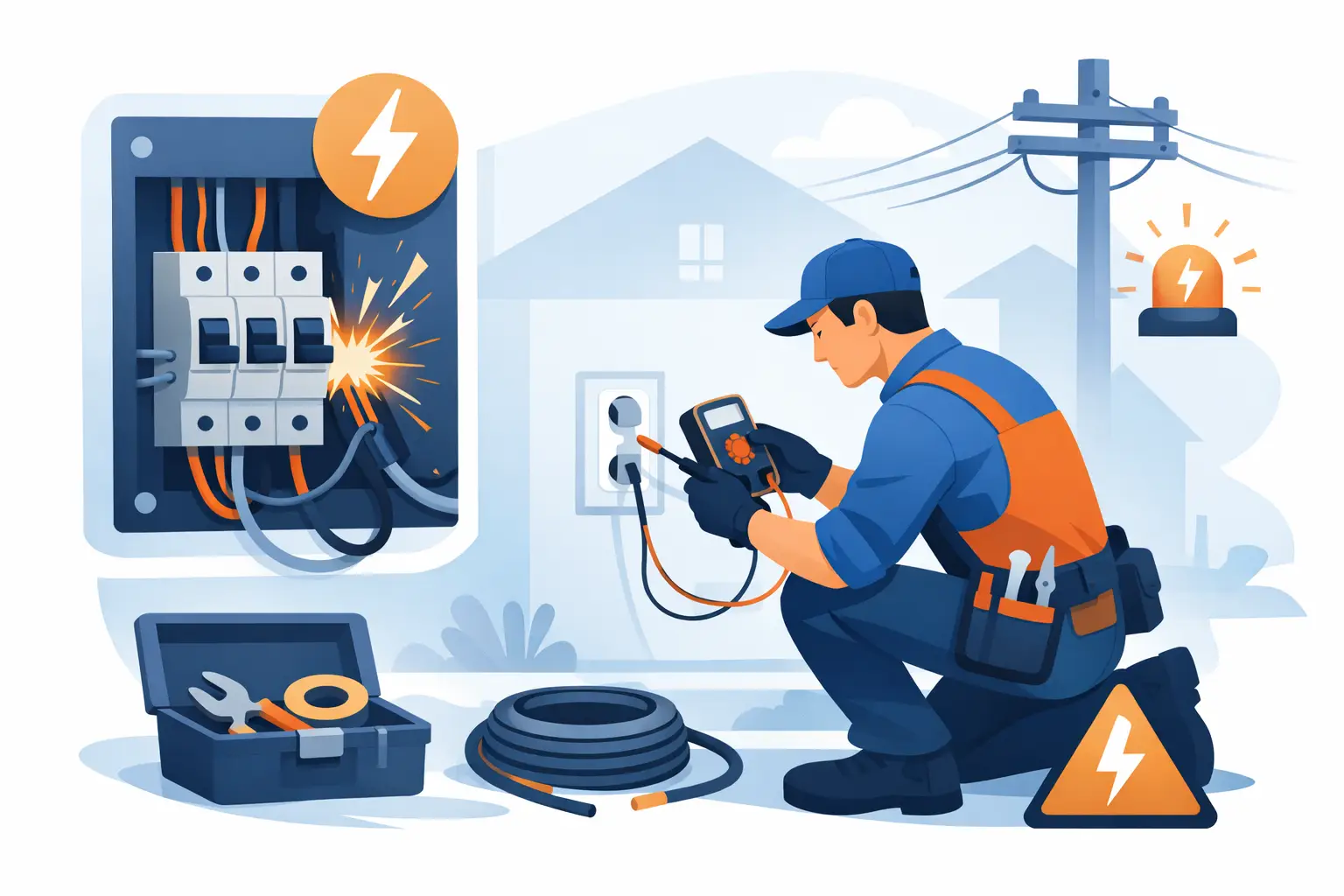
A power point that starts crackling at 9 pm is not a job to leave until Monday. Neither is a switchboard that smells hot, lights that flicker across multiple rooms, or a circuit that keeps tripping with no clear reason. Emergency electrical repairs are about making a property safe first, then finding and fixing the fault properly so it does not come straight back.
For homes and businesses across Ormeau, the Gold Coast and Logan, the main issue is rarely just inconvenience. An electrical fault can affect safety, security, refrigeration, lighting, access systems, air conditioning and day-to-day operations. When the problem is urgent, the right response is not a temporary patch. It is a licensed electrician who can isolate the risk, diagnose the cause and complete repairs that hold up under real use.
What counts as emergency electrical repairs?
Not every electrical issue is an emergency, but plenty are. If there is any sign of burning, exposed wiring, electric shock, smoke, sparking, repeated tripping, loss of power to critical circuits or water affecting electrical equipment, the job should be treated as urgent.
The same applies when the fault creates a direct business or safety risk. A shop with failed lighting, a rental with a dangerous switchboard issue, or a home with no power to essential appliances may all need immediate attention. The urgency depends on the fault itself, who is on site, and what parts of the property are affected.
A single dead power point might be a routine repair. A single dead power point that is blackened, loose, or warm to touch is a different matter. That is where experience matters. Good emergency response is not just about arriving quickly. It is about knowing which faults can wait a few hours and which ones need action straight away.
The warning signs you should not ignore
Most urgent electrical jobs give some warning before they fully fail. People often notice a pattern, dismiss it, then call only when the issue becomes disruptive or dangerous.
Common signs include burning odours near outlets or the switchboard, lights dimming when appliances start, switches that feel hot, tingling from taps or appliances, buzzing sounds in walls or fittings, and safety switches that trip repeatedly. In commercial sites, signs can also include partial outages, failing exit or security lighting, faults affecting refrigeration or equipment, or circuits dropping out under normal load.
These symptoms do not always point to the same cause. It could be overloaded circuits, damaged cabling, a failed breaker, moisture ingress, deteriorated fittings or a switchboard problem. That is why guessing is risky. Electrical faults often have more than one contributing issue, especially in older properties or sites with additions made over time.
What to do before the electrician arrives
If there is immediate danger, call emergency services first. If the situation is contained but unsafe, switch off power at the main switch if you can do so safely. Do not touch exposed wires, damaged fittings or any electrical item affected by water.
Keep people clear of the area, especially children, staff and customers. If a particular appliance appears to be involved, unplug it only if the point is safe to access and there are no signs of heat or damage. If the switchboard is tripping, do not keep resetting it over and over. Repeated resetting can worsen the fault and makes diagnosis harder.
For business owners or facility managers, it helps to note what was happening just before the fault. Was heavy equipment running? Did the air conditioning start? Was there rain, storm activity or a recent contractor on site? Small details can save time during fault finding.
Why licensed response matters in an emergency
Electrical repair work is not the place for trial and error. In urgent situations, people are often tempted to rely on a quick workaround just to get power back on. That can create a larger fault, breach compliance requirements, or leave a hidden hazard behind the wall or in the board.
A licensed electrician brings more than tools. They bring the ability to test circuits correctly, identify unsafe installations, isolate faults without guessing, and confirm the repair is safe before re-energising the system. That matters in homes, and it matters even more in commercial settings where downtime, public access and liability are all in play.
There is also the question of the actual cause. A blown fuse or tripped breaker is not usually the real problem. It is the symptom. The real issue might be load imbalance, cable damage, a failed appliance, poor previous workmanship or ageing components. Emergency repairs done properly deal with the cause, not just the visible failure.
Common emergency faults in homes and businesses
Some urgent jobs are seen again and again across residential and commercial properties. Switchboard faults are one of the big ones, especially in older homes and buildings where boards have not kept up with current demand. Heat damage, nuisance tripping and outdated protection can all lead to urgent callouts.
Storm-related damage is another common issue in South East Queensland. Heavy rain can expose weaknesses around outdoor circuits, lighting, sheds, pumps, signage and external outlets. Water and electricity are a bad combination, and even when the fault appears minor, the affected area often needs proper isolation and testing.
In homes, emergency jobs often involve burnt outlets, loss of power to key appliances, failed hot water circuits, damaged consumer mains or faults linked to renovations and added load. In commercial premises, the problems can be more operational - loss of essential lighting, equipment circuits failing, switchboard issues, or faults affecting alarms, CCTV or access systems.
Emergency electrical repairs and older properties
Older homes and older commercial buildings can be more vulnerable to urgent faults because the electrical system may have been altered in stages. Add a new air conditioner here, extra power points there, maybe a shed or office fit-out later on, and the result can be a system that no longer suits the way the property is used.
That does not mean every older property is unsafe. It does mean faults can be less straightforward to track. Existing wiring conditions, non-compliant past work, and undersized switchboards can all complicate emergency repairs. Sometimes the immediate issue can be fixed on the spot. Other times, the urgent repair restores safety, but a broader upgrade is the sensible next step.
That is an important distinction. Emergency work is about making the site safe and functional again. Long-term reliability may require follow-up work such as switchboard upgrades, circuit separation, replacement of damaged cabling or improved protection.
How fast response and proper diagnosis work together
When customers call for urgent help, speed matters. But speed without method is not much use. A fast attendance that ends with a temporary reset and no testing can leave the same hazard in place.
The better approach is practical and disciplined. First, make the property safe. Second, identify the fault. Third, carry out repairs that are appropriate to the condition of the installation. In some cases, the issue is simple and resolved during the callout. In others, especially after severe damage or where replacement parts are required, the immediate priority is risk control and restoration of essential supply, followed by permanent rectification.
That is often the reality with emergency work - the correct fix depends on what is found on site. Customers are best served by clear communication about what has failed, what can be repaired immediately, and whether any further work is recommended to prevent repeat faults.
Choosing the right electrician for urgent faults
If you need emergency help, you want a contractor who is licensed, experienced and local enough to respond across the Ormeau, Gold Coast and Logan areas without treating your job like an afterthought. You also want a provider who can handle more than one type of problem. Electrical faults do not always sit neatly in one category, especially in mixed-use properties or sites with lighting, air conditioning, security systems and power issues all connected to day-to-day operations.
That breadth matters because urgent repairs are not only about restoring power. They can involve safety compliance, switchboards, damaged fittings, fault finding, and making sure the rest of the installation has not been compromised. All Phase Electrical works across residential and commercial jobs with that practical, licensed focus.
If something feels off with your electrical system, trust that instinct. Turn the problem into a call early, not after the smell of burning gets stronger or the outage spreads. Fast action, proper diagnosis and licensed repair work are what keep an electrical emergency from becoming a much bigger one.