How to Maintain Home Aircon in Queensland Heat
By All Phase Electrical QLD · Published
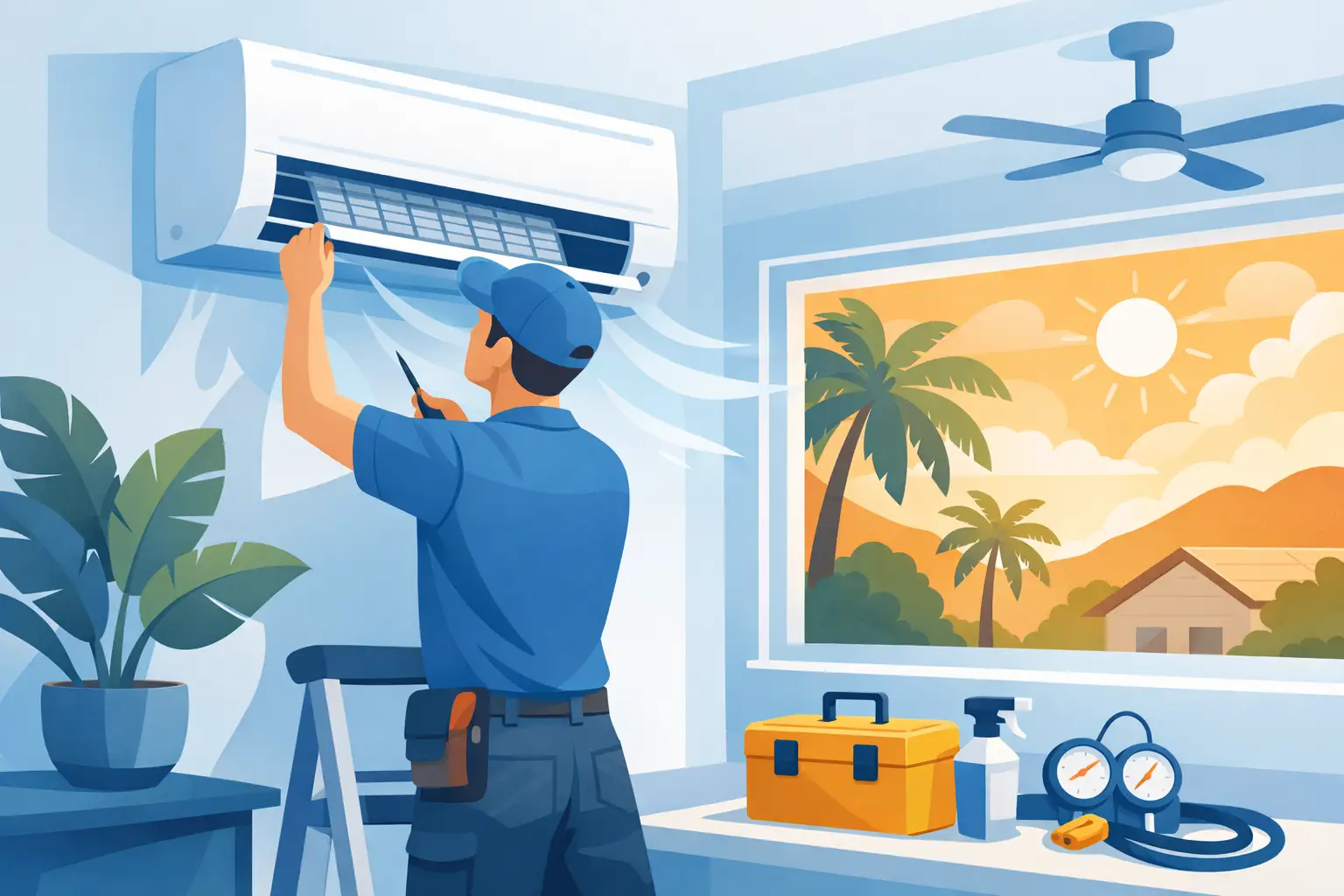
When a Gold Coast summer afternoon pushes past 30 degrees, your aircon is not a luxury you can afford to neglect. Knowing how to maintain home aircon helps keep rooms comfortable, reduces avoidable running costs and gives you a better chance of avoiding a breakdown when demand is highest. Most routine care is straightforward, but electrical work, refrigerant issues and internal repairs should always be left to a qualified air conditioning technician.
How to maintain home aircon between services
A split-system air conditioner works by moving heat, moisture and air through several components. When filters block up, outdoor units cannot breathe or drainage lines become restricted, the system must work harder for less cooling. In Queensland's humid conditions, that extra load can quickly show up as weak airflow, odours, water leaks or higher power bills.
For most households, a small amount of regular attention is more effective than waiting for a fault. The right maintenance schedule depends on how often the unit runs, whether you have pets, and how much dust, pollen or sea air affects the property. A unit used every day through long summers needs more care than one used occasionally in a spare room.
Clean the filters regularly
The indoor filters are the first place to start. They catch dust, lint and airborne particles before they move through the indoor coil. As they become blocked, airflow drops and the system uses more energy to circulate cooled air.
Check filters every month during periods of regular use. In many homes, cleaning them every one to three months is suitable. If you have pets, live near a busy road, use the system daily or notice visible dust on the filter, clean them more often.
Turn the unit off at the isolator or use the remote to switch it off before opening the front cover. Remove the filters carefully, vacuum loose dust, then rinse them with lukewarm water if the manufacturer permits it. Let them dry fully in the shade before reinstalling them. Do not refit wet filters, use harsh chemicals or force damaged clips back into place.
Clean filters improve airflow, but they do not replace a professional clean of the coil, fan barrel and drainage system. Dirt can build up well beyond the parts visible when the front cover is open.
Keep the outdoor unit clear
Your outdoor condenser needs clear space to reject heat. Leaves, grass clippings, garden mulch and stored items around the unit can trap heat and restrict airflow. This is especially common after storms, mowing or a busy gardening weekend.
Inspect the outdoor unit every few weeks. Remove loose leaves and debris from around the base, and keep plants trimmed back. Aim to maintain the manufacturer’s recommended clearance around the unit rather than boxing it in with screens or garden furniture. Decorative covers can look tidy, but they can cause poor performance if they limit ventilation.
Avoid spraying the unit with a high-pressure cleaner. The aluminium fins are delicate and can bend easily, reducing airflow. If the casing is dusty, a gentle hose rinse with the power switched off may be appropriate, provided you do not direct water into electrical components. Where access is tight or the coil is visibly clogged, arrange professional maintenance instead.
Check for signs that drainage is struggling
Air conditioning removes moisture from indoor air, particularly during humid weather. That moisture exits through a condensate drain. A blocked drain can lead to dripping from the indoor unit, stains on walls or ceilings, musty smells and water damage around the installation point.
Look for water where it should not be: beneath the indoor head, along the wall, in ceiling spaces or near the outdoor drain outlet. A small amount of water discharging from the drain during cooling is normal. Water leaking indoors is not.
Do not try to poke wires, screwdrivers or chemicals into a drain line. It is easy to damage the pipework or push a blockage further into the system. A technician can flush and test the drain correctly while checking whether mould, poor fall or an installation issue is contributing to the problem.
Use your aircon in a way that reduces wear
Good maintenance also comes down to daily use. Running an air conditioner flat out at the lowest temperature setting does not cool a room faster. It simply asks the unit to run longer and may make the space uncomfortably cold.
For summer cooling, set the temperature around 24 to 26°C and use the fan setting that provides comfortable air movement. Close doors, windows and blinds in the rooms you are cooling. This limits heat entering the home and helps the unit reach the set temperature without unnecessary strain.
Use timers or scheduling functions where available, particularly overnight or when the home is empty. If a room is unoccupied for hours, switch the system off rather than cooling it unnecessarily. Ceiling fans can also help distribute cooled air, allowing you to use a slightly higher temperature setting without losing comfort.
In winter, reverse-cycle systems benefit from the same approach. Keep filters clean, avoid extreme thermostat settings and make sure doors and windows are closed. A system that heats poorly may have a maintenance issue, not simply a need for a higher temperature setting.
Book professional aircon servicing before peak season
Homeowner maintenance keeps the obvious areas under control, but an annual professional service is the sensible baseline for most residential split systems. For heavily used systems, rental properties, small commercial premises or homes with multiple units, servicing may be needed more often.
A qualified technician can inspect electrical connections, test system operation, clean internal components, check the condensate drain, assess airflow and identify wear before it becomes a larger repair. They can also inspect for issues such as damaged insulation, corrosion, pests around cabling or signs that a unit is short cycling.
Refrigerant should not need routine topping up. If your aircon has lost refrigerant, there may be a leak that needs to be found and repaired. Continuing to run a low-gas system can affect performance and place extra stress on the compressor. This work must be handled by appropriately licensed professionals.
For homeowners in Ormeau, the Gold Coast and Logan, booking servicing in spring can be a practical choice. It gives you time to resolve faults before the first extended heatwave, when service demand is often at its highest.
Warning signs you should not ignore
Some changes in performance call for a service booking rather than another filter clean. An air conditioner that blows warm air in cooling mode, trips a circuit breaker, makes grinding or rattling sounds, smells burnt or repeatedly leaks water needs professional attention.
Musty odours are also worth investigating. They can indicate moisture and biological growth within the indoor unit or drainage system. While a clean filter may reduce dust, it will not necessarily resolve contamination deeper inside the system.
If the unit is not responding properly to the remote, check the batteries first. However, flickering power, buzzing from the isolator, repeated breaker trips or any sign of damaged wiring should be treated as an electrical safety concern. Turn the system off and contact a licensed electrician or air conditioning technician. Never remove electrical covers or attempt a DIY repair on the outdoor unit.
A practical maintenance routine for every season
At the start of warmer weather, clean filters, clear the outdoor unit, run the system for a short period and listen for unusual noises. Check that it cools evenly and that water is draining outside as expected. This simple test can uncover problems before the weather becomes difficult.
During summer, inspect filters monthly and keep gardens, leaves and stored items away from the condenser. After major storms, check that no branches, mud or debris have collected around the unit. If you notice weaker airflow or longer run times, act early instead of waiting for complete failure.
At the end of the main cooling season, clean the filters again and arrange a service if it has been more than 12 months. This is also a good time to assess whether certain rooms are consistently hard to cool. The cause may be insulation, sun exposure, an undersized system or airflow limitations, rather than a fault with the unit itself.
Consistent care is cheaper and less disruptive than an emergency repair in the middle of summer. Keep the simple jobs on schedule, protect the unit’s airflow, and rely on qualified local technicians when the system shows signs that routine cleaning cannot solve.