How to Maintain Split System Air Conditioning
By All Phase Electrical QLD · Published · Updated
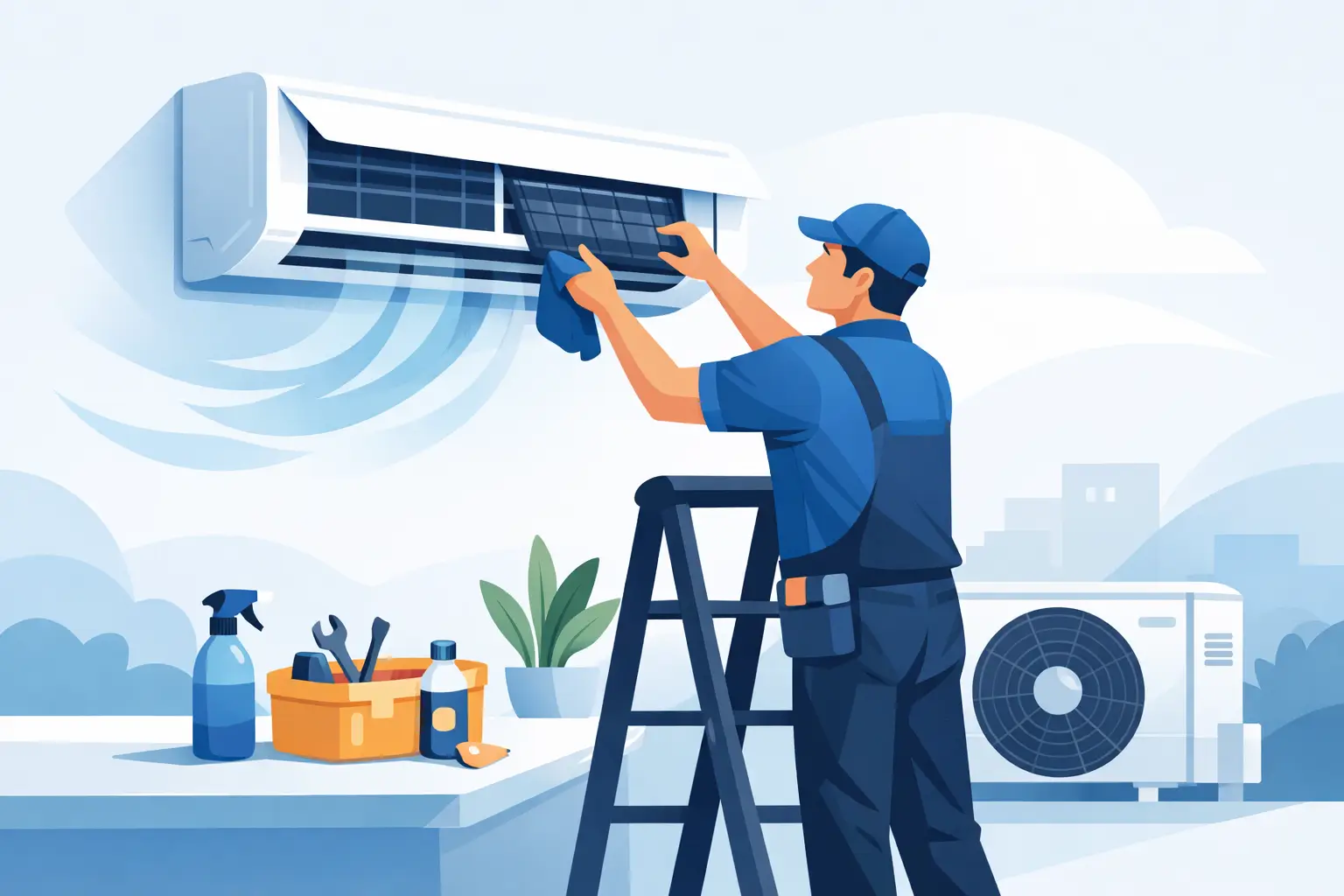
A split system that is struggling through a Gold Coast summer rarely fails without warning. Reduced airflow, musty smells, water dripping from the indoor unit and higher power bills often start as small maintenance issues. Knowing how to maintain split system air conditioning helps protect comfort, energy efficiency and the working life of the unit.
For homeowners, landlords and business operators, regular care is straightforward when you know what is safe to do yourself and when a licensed air conditioning technician is needed. The goal is not to pull the system apart. It is to keep air moving freely, prevent build-up around the unit and arrange professional servicing before a minor issue becomes an expensive repair.
How to Maintain Split System Air Conditioning at Home
Most routine split system maintenance centres on cleanliness and airflow. Your indoor unit draws room air through filters before it passes over the cooling coil, while the outdoor unit releases heat through its own coil and fan. If either side is blocked by dust, leaves or poor clearance, the system has to work harder to produce the same result.
In coastal and humid parts of the Gold Coast and Logan, air conditioners can also deal with mould, moisture and salt exposure. This makes regular checks more valuable than a once-a-year look just before summer.
Clean the indoor filters regularly
The washable mesh filters behind the indoor unit’s front cover are the first maintenance job to prioritise. During regular cooling or heating use, check them every month. In homes with pets, smokers, renovations nearby or high use, inspect them every two to four weeks.
Turn the system off at the remote first. Lift the front panel carefully, remove the filters according to the manufacturer’s instructions and vacuum away loose dust. If they need more than a light clean, wash them with lukewarm water and a mild detergent. Let them dry fully in the shade before reinstalling them.
Do not run the system without filters and do not force a damp filter back into place. A wet filter can encourage mould, while a missing or damaged filter lets dirt collect on components that are much harder to clean safely.
Clean filters improve airflow, but they cannot fix every performance problem. If airflow remains weak after cleaning, the indoor coil, blower wheel or condensate drain may need professional attention.
Keep the outdoor unit clear
The outdoor condenser needs room to draw in and discharge air. Check the area around it every month, particularly after storms or heavy wind. Remove leaves, grass clippings, cobwebs, garden materials and other debris from the surrounding space.
Avoid stacking boxes, pots or outdoor furniture against the unit. Trim vegetation back so air can circulate freely, following the clearance distances in the manufacturer’s manual. As a general rule, the top and sides should never be obstructed.
You can gently wipe the external cabinet with a damp cloth. Do not pressure-clean the coil, hose electrical components or bend the fine metal fins. The outdoor unit contains electrical parts and refrigerant pipework, so internal cleaning, fin straightening and repairs should be left to a qualified technician.
Watch the drain and indoor unit
When cooling, a split system removes moisture from the air. That water drains through a condensate line to an external point. A small amount of water at the drain outlet can be normal. Water leaking from the indoor head unit, staining on the wall or ceiling, or a persistent musty smell is not.
Check that the drain outlet is not covered by soil, mulch or rubbish. Inside, look for obvious dust around the louvers and wipe the outside of the unit with a soft dry or slightly damp cloth. Do not spray cleaning chemicals inside the head unit or attempt to remove covers that expose wiring or electronics.
If you notice dripping indoors, turn the system off and arrange a service. Continuing to operate a leaking unit can damage plasterboard, flooring or furnishings, and may allow mould to develop.
Use the system in a way that reduces strain
Maintenance is also about everyday operation. Set a realistic temperature rather than running the unit at its lowest setting. For cooling, around 24 to 26°C is comfortable for many households and reduces unnecessary load. Close doors and windows in conditioned rooms, use blinds or curtains to reduce afternoon heat, and make sure furniture is not blocking the indoor airflow.
Use dry mode when humidity is the main issue and the room does not need heavy cooling. It can improve comfort in muggy weather, although it is not a replacement for cooling on extremely hot days. If your system has a self-clean or coil-drying function, use it as directed in the manual to help dry internal moisture after operation.
What a Professional Split System Service Covers
Home maintenance keeps common blockages under control, but a professional service checks the parts you should not access. Split systems combine electrical circuits, moving components, drainage and refrigerant. Work on these areas requires the right licences, tools and safety procedures.
A qualified technician can inspect electrical connections, test operation, clean internal components, assess the outdoor coil and fan, clear the condensate system, check mounting and pipework, and identify signs of refrigerant problems. The exact scope depends on the model, its condition and whether there are existing faults.
Refrigerant is not something to top up as routine maintenance. A correctly installed, sealed system should not need repeated gas refills. If levels are low, there may be a leak that needs to be located and repaired. Simply adding refrigerant without addressing the cause is a short-term fix that can lead to further expense.
For most homes, annual professional servicing is a sensible baseline. A system used heavily through long summers, installed near the coast, or operating in a dusty environment may benefit from servicing every six months. Commercial premises, rental properties and high-use offices should schedule maintenance around their operating demands rather than waiting for a breakdown.
All Phase Electrical can provide licensed air conditioning maintenance and electrical support for properties across Ormeau, the Gold Coast and Logan, helping identify issues before they interrupt cooling when it is needed most.
A Practical Split System Maintenance Schedule
A simple routine is easier to follow than waiting until the system performs poorly. The following schedule suits many residential split systems, though manufacturer instructions should always take priority.
| Timing | Maintenance task | |---|---| | Every 2-4 weeks during high use | Check and clean indoor filters if dusty. | | Monthly | Inspect the indoor unit for unusual smells, noise or drips, and clear debris around the outdoor unit. | | Before summer and winter | Test cooling or heating early, check the remote batteries and make sure airflow is strong. | | Every 6-12 months | Book a professional service, particularly for high-use, coastal or commercial systems. |
This routine also gives landlords a useful record of care. For tenanted properties, provide clear guidance on filter cleaning and ask tenants to report leaks, fault codes and changes in performance promptly. Maintenance responsibilities can vary under the tenancy agreement, but repairs involving electrical, drainage or refrigerant components should always be handled by a qualified professional.
Warning Signs Your Split System Needs Attention
A system does not need to stop completely before it needs a technician. Pay attention to changes in how it sounds, smells and performs. A mild air movement setting that suddenly feels weak, rooms that take much longer to cool, or energy bills that rise without a clear reason can all point to restricted airflow or a developing fault.
Musty odours may indicate mould or built-up moisture in the indoor unit. Rattling, buzzing, grinding or repeated clicking should also be investigated, especially if the noise is new. A buzzing sound can have electrical causes, while grinding may relate to a fan or motor issue. Switch the unit off if you smell burning, see damaged cabling, notice a tripping circuit breaker, or hear loud electrical arcing.
Ice on the indoor or outdoor unit is another reason to stop operation and arrange an inspection. It can be caused by dirty filters, airflow restrictions, sensor faults or refrigerant issues. Running a frozen system can place extra stress on the compressor.
Do Not Turn Maintenance Into a DIY Repair
Cleaning filters and keeping the outdoor area tidy are sensible homeowner tasks. Removing electrical covers, washing internal coils with unsuitable chemicals, repairing wiring, opening refrigerant lines or trying to diagnose faults with the power connected are not.
There is a trade-off in delaying service to save a call-out fee. A blocked drain may be relatively simple to clear early, while ongoing water leaks can create property damage. Likewise, a dirty system may still cool for a while, but it can consume more power and wear components faster as it struggles to maintain the set temperature.
Give your split system a quick check before the next heatwave rather than waiting for the first uncomfortable night. Clean filters, clear airflow and timely professional servicing are practical steps that keep your home or premises cooler, safer and easier to manage.
If your split system has started blowing weak air on a humid Gold Coast afternoon, making new noises, or struggling to hold temperature, it is usually asking for attention before it fails completely. Regular split system air conditioning service helps catch small faults early, keeps running costs under control, and gives you a better chance of avoiding a breakdown when you need cooling most.
For homes and businesses across Ormeau, Logan and the Gold Coast, air conditioning is not a luxury for long. It is part of keeping a property comfortable, usable and, in many workplaces, productive. The mistake many people make is waiting until a unit stops altogether. By that point, what could have been a straightforward service can turn into a larger repair, a parts delay, or an urgent callout in the middle of peak season.
The cost of delaying service
Putting off maintenance can seem cheaper in the short term, especially when the unit is still working. But delayed servicing often costs more over time.
A dirty system has to work harder to deliver the same result. That means higher energy use and more wear on components. Small issues such as blocked drains, minor electrical faults or reduced airflow can become larger repairs if they are left unattended. In some cases, neglect shortens the service life of the system altogether.
There is also the inconvenience factor. A breakdown during a heatwave is not just uncomfortable. For businesses, it can disrupt staff, customers and normal operations. For landlords and property managers, it can quickly become an urgent tenancy issue. Preventative servicing will not stop every fault, but it improves your chances of catching trouble before it turns into a no-cooling callout.
Residential and commercial needs are not always the same
Homeowners usually focus on comfort, power bills and reliability. That makes sense. If the lounge room unit is not cooling properly, the problem is immediate and obvious.
Commercial clients often have a wider list of concerns. They may need to think about operating hours, access, equipment load, tenant expectations and business continuity. In those settings, the right service approach is less about a one-size-fits-all schedule and more about how the system is actually used.
Drain blockages and everyday settings
Do not push wires or screwdrivers into a condensate drain or pour chemicals down it. This can damage the pipework or push a blockage further in. A technician can clear and test the drain while checking whether poor fall or an installation issue is contributing to leaks.
Decorative outdoor screens must not restrict the manufacturer’s ventilation clearances. Use timers where available to avoid cooling an empty room for hours. Apply the same filter and airflow checks in winter when a reverse-cycle system is used for heating.
A landlord or investor sits somewhere in the middle. The goal is usually to protect the asset, keep tenants comfortable and avoid preventable repair costs. That makes regular servicing a practical maintenance decision, not just a comfort upgrade.