How to Prepare for an Electrical Emergency
By All Phase Electrical QLD · Published
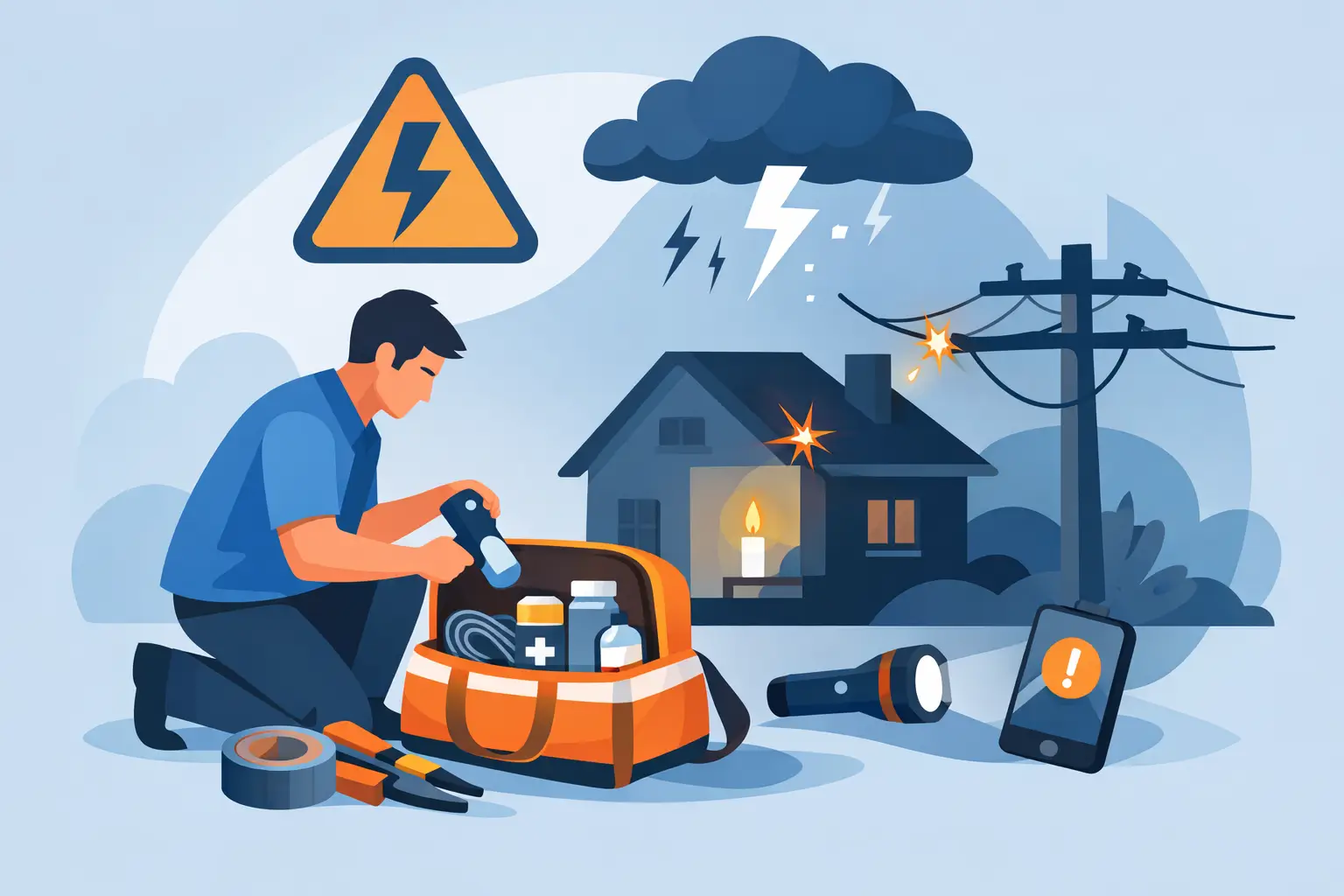
A burning smell from a power point, a switchboard that will not reset, or water entering a ceiling during a Gold Coast storm is not a problem to investigate by trial and error. Knowing how to prepare for an electrical emergency gives you a safer first response, protects people on the property and helps a licensed electrician diagnose the fault faster.
Electrical emergencies can develop in any home, rental property, shop, workshop or office. The right response depends on the hazard, but the priority is always the same: keep people away from danger, isolate power only when it is safe to do so, and arrange qualified help.
What counts as an electrical emergency?
Not every electrical fault requires an after-hours callout, but some signs should never wait for a convenient time. Treat the issue as urgent if there is smoke, sparking, arcing, a burning or melting smell, visible heat damage, repeated circuit tripping, an electric shock, exposed live wiring, or water near electrical equipment.
A loss of power may also be urgent where it affects essential medical equipment, commercial refrigeration, security systems, emergency lighting or safe access to a premises. In these situations, avoid assuming the problem is simply a blown fuse. Modern switchboards use circuit breakers and safety switches, and repeated tripping usually indicates a fault that needs proper investigation.
If there is an immediate threat to life, fire, or a person has been seriously injured, call 000. Do not touch a person who may still be in contact with electricity until the supply has been isolated safely.
How to prepare for an electrical emergency before it happens
Preparation is less about owning specialised tools and more about knowing your property. Every adult occupant, site supervisor or keyholder should know where the main switchboard is located and how it can be accessed. It should not be blocked by stored boxes, garden equipment or stock.
Take a clear photo of the switchboard with the circuit labels visible. If the labels are unclear, incomplete or inaccurate, arrange for a licensed electrician to identify and label the circuits. During a fault, being able to isolate the oven, air conditioner, lighting or power outlets without shutting down an entire business can make a significant difference.
Keep a torch in an easy-to-reach location, rather than relying on your mobile's torch. A battery-powered light is safer when power is out and is useful if you need to move through a dark building. It is also sensible to keep emergency contact details available somewhere other than your phone.
For households and workplaces, a practical electrical emergency kit can include:
- a reliable torch with spare batteries
- a charged power bank for mobiles
- a basic first-aid kit
- a list of emergency contacts and the property address
- a suitable fire extinguisher and fire blanket, where appropriate for the premises.
Do not store this kit inside the switchboard cupboard or beside electrical equipment. If that area becomes unsafe to access, the kit needs to remain available.
Check your safety switches and smoke alarms
Safety switches, also called RCDs, are designed to rapidly cut power when they detect a leakage current. They can reduce the risk of serious electric shock, but they do not make damaged wiring, faulty appliances or water exposure safe. Test buttons should be checked in line with the manufacturer instructions and your property maintenance requirements. If a safety switch does not operate properly or refuses to reset, book a licensed electrician.
Smoke alarms are equally important. Electrical fires can begin behind walls, in roof spaces or within appliances, well before flames are visible. Ensure alarms are correctly located, tested and maintained. Landlords and property managers should also stay on top of their Queensland smoke alarm obligations rather than waiting for a tenancy change or inspection.
What to do when an electrical fault occurs
Stay calm and keep other people away from the affected area. Children, visitors and staff should not be asked to inspect a damaged power point, appliance or switchboard. If there is smoke, sparks, buzzing or a burning smell, do not touch the equipment.
If it is safe to reach the switchboard without stepping through water or approaching damaged wiring, switch off the affected circuit. If you cannot identify the circuit, turn off the main switch. Never force a breaker to stay on and do not repeatedly reset a tripped safety switch. Each reset can re-energise a fault.
For an appliance fault, unplug the appliance only if the plug, lead and surrounding area are dry, undamaged and safe to handle. Once isolated, leave it unplugged. A hot plug, discoloured outlet, cracked lead or intermittent power supply should be assessed rather than used again.
If you smell burning or see smoke, evacuate the area and call emergency services where needed. Do not use water on an electrical fire. Only use a fire extinguisher if it is suitable for electrical fires, you can do so safely and you have a clear exit behind you. Your safety matters more than protecting equipment.
Water, storms and outdoor electrical hazards
Heavy rain and storm damage create a different level of risk across the Gold Coast and Logan. Water inside a ceiling, wall cavity, switchboard, outdoor power point or electrical pit can energise surfaces that appear harmless. Keep clear and isolate the supply if it can be done safely from a dry location.
Do not enter a flooded room, garage or ceiling space where electrical wiring may be present. Do not use a wet appliance, extension lead or outdoor outlet after flooding simply because it appears dry. Moisture can remain inside fittings and equipment, creating a shock or fire risk when power is restored.
If a power line is down or appears damaged, stay well away, keep others clear and report it to the electricity network operator or emergency services. Do not attempt to move branches, fencing or other objects from the line. The ground around a fallen line may also be dangerous.
Avoid the common quick fixes
Electrical emergencies are often made worse by well-intended shortcuts. Replacing a circuit breaker with a larger one, bypassing a safety switch, taping a damaged extension lead or using a double adaptor to keep equipment operating can create a serious fire or shock risk.
The same applies to DIY work inside a switchboard, ceiling space or fixed wiring. In Queensland, electrical work must be carried out by a licensed electrician unless it falls within very limited exceptions. A fault may be caused by worn wiring, water ingress, an overloaded circuit, a failing appliance or a connection problem. The visible symptom rarely tells the full story.
For businesses, avoid asking staff to continue operating around a fault because trading is busy. Isolate the affected equipment or area, record what happened and arrange an electrician. Protecting staff and customers is the priority, and a clear record can help identify whether the issue relates to a particular appliance, circuit or recent weather event.
Give your electrician useful information
Once the immediate danger is controlled, a few details can speed up the repair. Note when the fault started, which appliances were running, whether there was a storm or water leak, which circuit tripped, and whether you noticed heat, noise or odour. Photos can help, but only take them from a safe distance and never remove covers to get a better view.
For rental properties, tenants should report the issue promptly and avoid arranging unqualified repairs. Landlords and property managers should provide a clear emergency reporting process, especially for after-hours faults involving power loss, exposed wiring, smoke alarms or hot water systems.
All Phase Electrical can assess urgent electrical faults, damaged outlets, safety switch issues, switchboard concerns and electrical damage affecting homes and commercial premises throughout Ormeau, the Gold Coast and Logan. A licensed inspection is the safest way to restore power and identify the cause, rather than only treating the immediate symptom.
A prepared property is not one that never has a fault. It is one where people know when to step back, where to isolate power safely, and when to call qualified help before a small warning sign becomes a serious incident.