Planning Commercial Electrical Maintenance
By All Phase Electrical QLD · Published
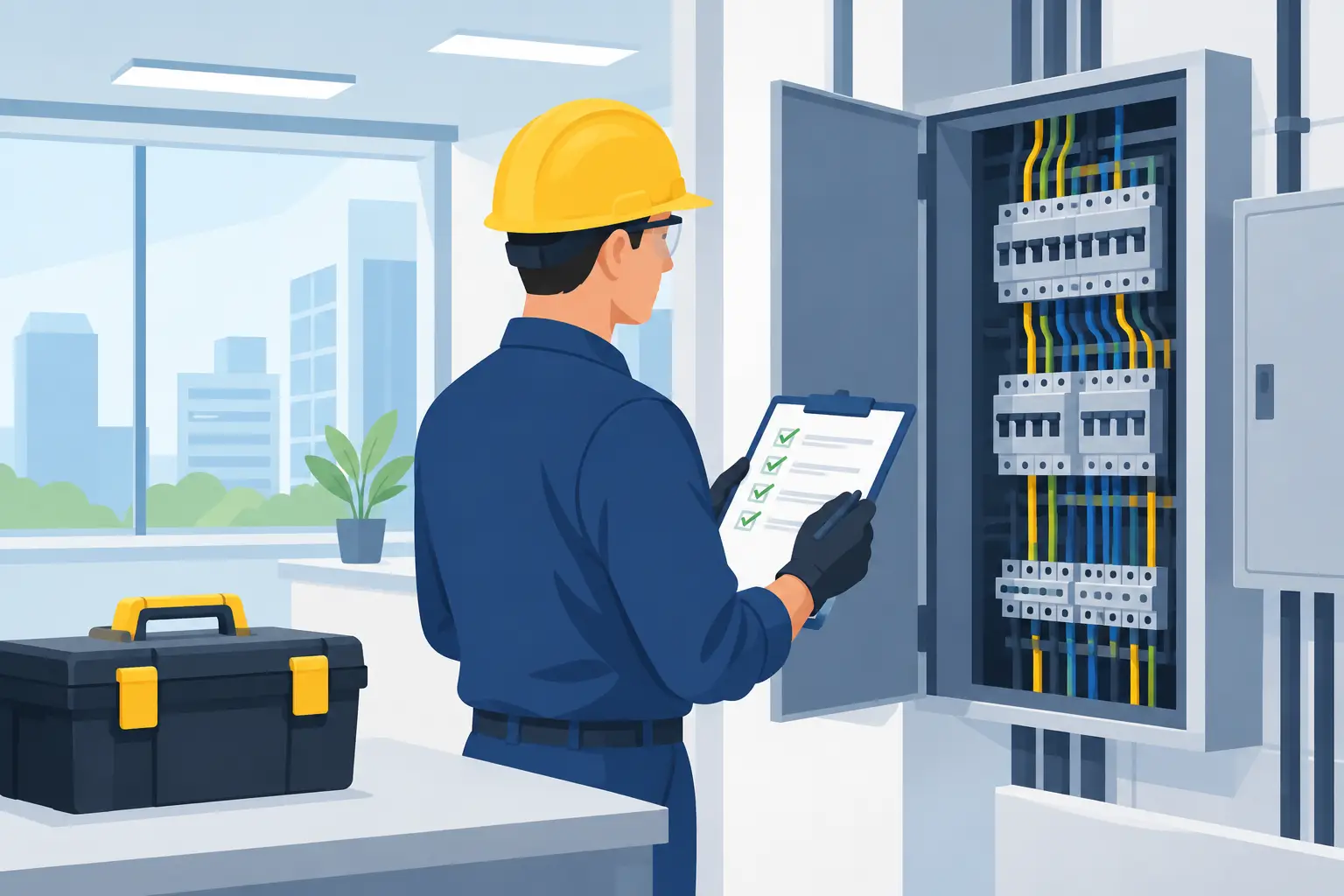
A tripped breaker during a busy service period, a failed emergency light before an inspection, or an overheated switchboard on a hot Gold Coast afternoon can stop a business without warning. Planning commercial electrical maintenance gives property owners, managers and business operators a practical way to find issues early, manage risk and avoid preventable disruption.
For commercial premises, electrical maintenance is not simply a matter of fixing faults when they occur. It is an organised program of inspections, testing, cleaning, repairs and upgrades based on how the building is used. The right plan protects people, supports compliance obligations and helps essential equipment keep doing its job.
Why commercial electrical maintenance needs a plan
Commercial electrical systems work harder than many people realise. Lighting, air conditioning, refrigeration, security cameras, access controls, computers, machinery and kitchen equipment may all draw power across long operating hours. In older buildings, additions made by different tenants can also leave switchboards and circuits under more pressure than originally intended.
Waiting until something fails can be expensive. A fault may interrupt trading, damage stock, affect tenants or create a safety concern for staff and customers. Reactive repairs also tend to happen at the least convenient time, when there is pressure to restore power quickly and less opportunity to plan the best long-term fix.
A scheduled approach allows a licensed electrician to assess the condition of the installation, identify developing faults and prioritise work. Not every recommendation has to be completed immediately. A clear maintenance plan separates urgent safety work from improvements that can be budgeted and scheduled around business operations.
Start with the premises, not a generic checklist
The best maintenance schedule reflects the site. A small office, retail tenancy, medical practice, warehouse, strata common area and hospitality venue all have different risks, operating hours and electrical demands.
Begin by documenting the electrical assets across the property. This normally includes the main switchboard and sub-boards, safety switches, circuit breakers, lighting, emergency and exit lighting, power outlets, fixed equipment, air conditioning supply circuits, data and security equipment, and any exterior lighting. If the site has solar, electric vehicle charging, pumps, refrigeration or specialised machinery, these should be included as well.
It is also useful to record the age of the installation, previous repairs, known nuisance tripping, areas with water exposure and equipment that cannot be switched off during normal hours. This gives the electrician context before work begins. A recurring trip in a warehouse, for example, may point to a circuit loading issue, a deteriorating appliance or moisture entering an outdoor fitting. The solution depends on what is actually happening at the site.
Review changes in how the building is used
Electrical systems can become unsuitable gradually. A tenancy may add workstations, more refrigeration, high-powered equipment or extra air conditioning without considering whether the existing circuits and switchboard capacity are adequate. A change in business use is a good trigger for an electrical review.
This does not always mean a full upgrade is required. Sometimes circuits can be redistributed, damaged accessories replaced or new dedicated circuits installed. In other cases, a switchboard upgrade may be the safer and more practical option. The decision should be based on inspection findings, load requirements and the condition of the existing equipment, not assumptions.
Build a maintenance schedule around risk
Maintenance frequency depends on the type of premises, its environment, the condition of equipment and the consequences of failure. A clean, low-traffic office may need a different schedule from a busy commercial kitchen or industrial workshop where heat, grease, dust, vibration and moisture place extra strain on electrical components.
A useful plan sets out what will be checked, who is responsible, when work is due and how records will be kept. It should also identify work that requires shutdowns, after-hours attendance or coordination with tenants, building management and other trades.
Regular visits commonly focus on the following areas:
- Switchboards, breakers, safety switches and signs of heat, corrosion, loose connections or water ingress.
- Emergency and exit lighting, including required testing and recording of results.
- Internal, external and security lighting, particularly in car parks, stairwells, entry points and shared areas.
- Power outlets, isolators, fixed appliances and circuits serving business-critical equipment.
- Air conditioning electrical supplies, CCTV systems, access control and other connected services.
The schedule should be practical. If shutting down a section of the premises will affect trading, plan that work before opening, after closing or during a quieter period where possible. A good contractor will explain what needs to be isolated, how long it is likely to take and whether temporary arrangements are needed.
Put switchboards and safety devices first
The switchboard is the control point for the building's electrical system. It should be accessible, clearly labelled and protected from damage, clutter and unauthorised interference. Poor labelling can turn a minor fault into a longer outage because staff or contractors cannot confidently identify the affected circuit.
During maintenance, a licensed electrician can inspect for worn components, damaged enclosures, incorrect modifications, overloaded circuits and evidence of overheating. Discolouration, burning smells, buzzing, hot covers and repeated breaker trips should never be ignored. These signs need prompt investigation rather than a temporary reset.
Safety switches also need attention. They are designed to disconnect power quickly when a fault is detected, but they are not a substitute for maintaining the rest of the installation. Repeated tripping is not normal operation. It is a signal to locate the cause.
For older commercial properties around Ormeau, Logan and the Gold Coast, switchboard condition is often a key consideration. Older equipment may still appear to function, yet lack the capacity, protection or organisation required for the site's current use. An inspection provides a sound basis for deciding whether staged improvements or an upgrade is appropriate.
Do not overlook lighting, emergency systems and outdoor areas
Lighting faults are often treated as minor until they affect safety, security or customer access. Dim car parks, failed stairwell lights, flickering fittings and poorly lit entries can create avoidable risks. Regular checks help identify failed fittings, damaged sensors, deteriorated cabling and lighting controls that are no longer operating as intended.
Emergency and exit lighting needs particular care. These systems are relied on when normal lighting fails, so testing and record keeping should be built into the maintenance program. The exact requirements can vary by building and use, which is why commercial operators should seek advice specific to their premises rather than relying on an informal visual check.
Outdoor electrical equipment is exposed to Queensland heat, heavy rain, humidity and pests. Weatherproof outlets, signage lighting, garden lighting, gate motors and external security cameras should be inspected for cracked fittings, water ingress and damaged cable protection. Small defects outside can become serious faults during severe weather.
Keep records that help you make decisions
A maintenance plan is only useful if the results are recorded. Keep inspection reports, test results, fault descriptions, repair invoices and photos where relevant. These records create a history of the installation and make it easier to see whether the same issue is returning.
For landlords, strata managers and facility managers, clear records also support communication with tenants and owners. They show what was inspected, what was repaired, what was recommended and which items remain pending. This is especially valuable when budgets are shared or when a property changes hands.
Ask for recommendations to be prioritised clearly: immediate safety concerns, work needed soon, and items that can be planned as part of future improvements. That distinction helps avoid both extremes - delaying necessary work or replacing equipment before there is a sound reason.
Choose qualified support and plan for faults
Commercial electrical work should be completed by appropriately licensed professionals. This is particularly relevant where work involves switchboards, safety devices, emergency systems, new circuits or fault finding. A qualified electrician can test, diagnose and carry out work in line with applicable requirements, rather than guessing at the source of a problem.
It also helps to have a response process for unexpected faults. Staff should know who to contact, where the switchboard is located, which equipment is critical and when they should stop using an affected outlet or appliance. They should not attempt electrical repairs or repeatedly reset a tripping circuit.
All Phase Electrical assists commercial property operators across Ormeau, the Gold Coast and Logan with planned maintenance, fault finding, switchboard work, lighting, air conditioning electrical support and security-related electrical services. Coordinating these services through one licensed provider can reduce the time spent managing separate trades.
A well-maintained electrical system rarely attracts attention, which is exactly the point. Set a review date, document the assets on site and arrange an inspection before the next small fault decides the timing for you.