Single Phase vs Three Phase for Your Property
By All Phase Electrical QLD · Published · Updated
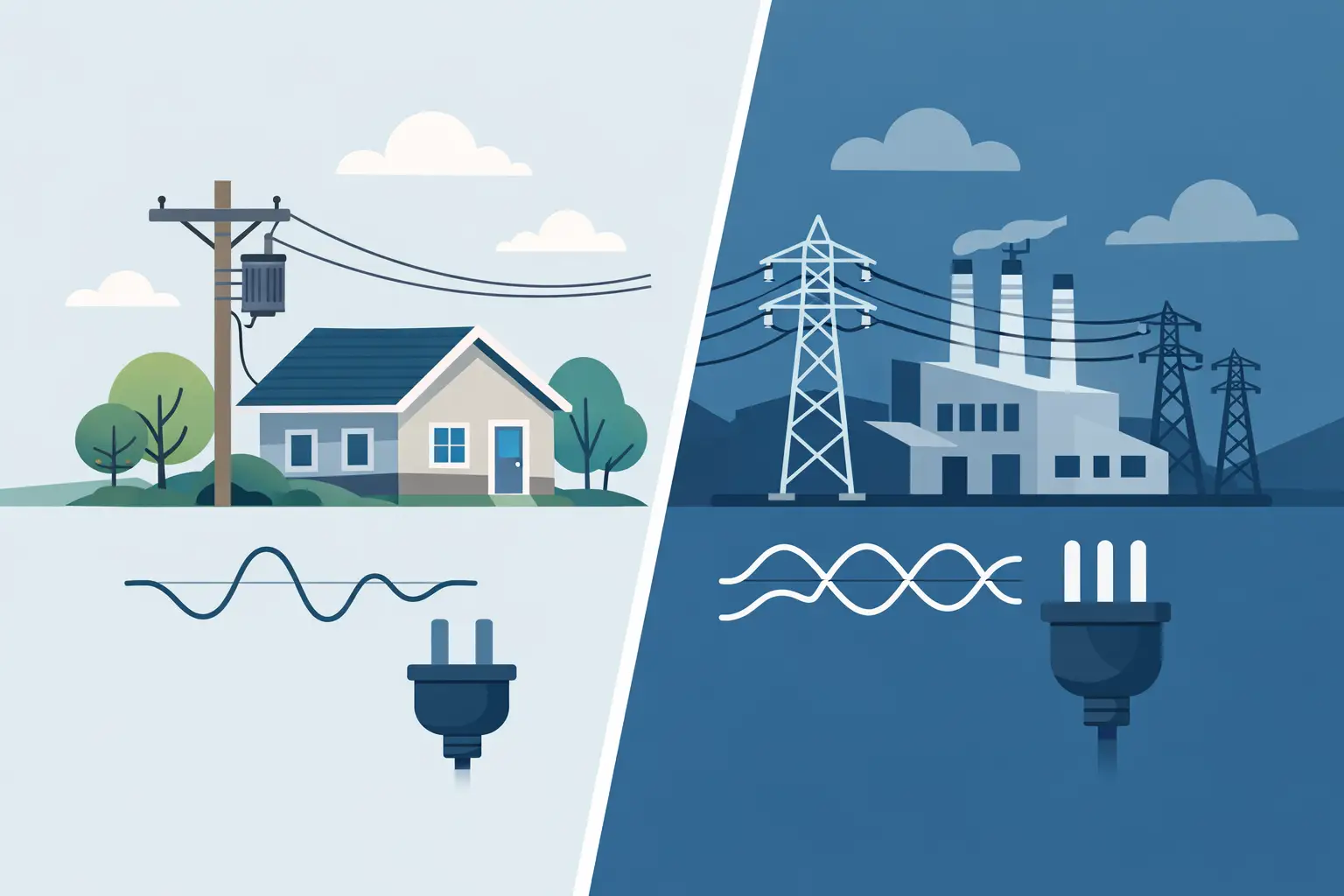
A new ducted air conditioner, EV charger or piece of commercial equipment can quickly expose the limits of an existing power supply. When comparing single phase vs three phase, the right choice is not simply about getting more power. It depends on what the property needs now, what is planned next, and whether the switchboard, wiring and incoming supply can safely support the load.
For homes and businesses across Ormeau, the Gold Coast and Logan, a licensed electrician can assess the full installation before recommending an upgrade. That includes the supply available from the network, the condition of the switchboard, the size of the consumer mains and how electrical loads will operate at the premises.
What is single-phase power?
Single-phase power is the standard electrical supply for many Australian homes. It generally provides 230 volts through one active conductor, with a neutral and earth also forming part of the installation. Most everyday equipment is designed to run on a single-phase supply, including lighting, general power outlets, televisions, refrigerators, washing machines and many split-system air conditioners.
A single-phase home can still run a substantial number of appliances. The issue is not whether the property has enough outlets or circuits. It is whether several high-demand appliances may operate at the same time and push the supply beyond its practical capacity.
For example, a household may have an induction cooktop, electric oven, hot water system, pool equipment, air conditioning and an EV charger. Each can be suitable for single phase on its own. Together, especially during a hot afternoon or evening peak, they may require careful load management or a supply upgrade.
Single phase is usually simpler and less costly to install where it is adequate. It is also suitable for many smaller homes, units, investment properties and small businesses with conventional lighting, office equipment and modest air conditioning requirements.
What is three-phase power?
Three-phase power uses three active conductors rather than one. In Australia, it typically provides 400 volts between phases and 230 volts between any one phase and neutral. This allows power to be shared across three phases, giving a property more capacity and a better way to support larger electrical loads.
Three-phase supply is common in commercial buildings, workshops, hospitality venues and industrial premises. It can also be a practical choice for larger homes with significant electrical demand. Properties with large ducted air conditioning systems, multiple high-powered appliances, a sizeable pool setup or future EV charging plans may benefit from it.
The main advantage is not that every appliance suddenly runs at a higher voltage. Most household circuits still operate at 230 volts. Instead, the electrician can distribute single-phase circuits across the three available phases. Equipment specifically designed for three phase, such as certain motors, pumps, compressors and commercial machinery, can then run from the appropriate supply.
This balanced distribution matters. A well-designed three-phase installation reduces the chance that one section of the supply carries most of the demand while other capacity sits unused.
Single phase vs three phase: the practical differences
The most useful way to assess single phase vs three phase is to look at demand, equipment and future use rather than treating three phase as an automatic upgrade.
A single-phase supply is generally appropriate where electricity use is moderate and high-load appliances are limited or managed carefully. It suits the majority of standard households and smaller premises. Installation requirements are often more straightforward, provided the existing switchboard and cabling are compliant and correctly rated.
Three phase is better suited to properties where several major loads need to operate at once, or where the premises has equipment that requires three-phase power. A commercial kitchen, mechanical workshop, larger medical or office fit-out, body corporate common area, or home with extensive electrification can have a very different load profile from a typical residence.
Cost is also a consideration. Changing from single phase to three phase can involve more than replacing a switchboard. Depending on the site, work may include upgrading consumer mains, installing a three-phase meter panel, arranging metering changes, modifying distribution boards and coordinating requirements with the electricity distributor. If overhead or underground supply infrastructure needs alteration, the scope can increase further.
For that reason, an upgrade should be planned around a clear need. Paying for three phase simply because it sounds more capable may not deliver value. On the other hand, installing a new switchboard or undertaking a major renovation without allowing for likely future loads can lead to avoidable rework later.
When a home may need three phase
Three phase is worth investigating when a property is being renovated, extended or converted to all-electric appliances. It is also commonly considered when an existing supply struggles with demand or when a new appliance cannot be installed without exceeding available capacity.
Common triggers include a large ducted air conditioning system, multiple split systems running together, an electric vehicle charger, an induction cooktop and electric hot water replacing gas, or a pool and spa with high-demand equipment. No individual item confirms that three phase is necessary. Appliance ratings, circuit design and how the equipment is used all matter.
A larger home is not automatically a three-phase home either. A well-designed single-phase installation may be entirely suitable for one household, while a smaller property with an EV charger, pool equipment and substantial air conditioning may need greater capacity.
If lights dim when equipment starts, circuit breakers trip regularly, or planned appliances cannot be added safely, the problem needs professional investigation. These signs do not always mean the property needs three phase. They can also point to an overloaded circuit, a poorly balanced board, a faulty appliance or switchboard components that require attention.
What businesses should consider
For business owners and facility managers, supply type should be reviewed before signing a lease, installing equipment or fitting out a new space. The available supply can affect the type of machinery, HVAC system and kitchen equipment a business can use.
Three phase is often essential for equipment with larger motors, including some refrigeration systems, compressors, pumps and workshop machinery. It may also provide the capacity needed for commercial air conditioning and multiple high-load circuits. However, the building may have three phase available at the main board while a particular tenancy does not have sufficient capacity or distribution installed. The details need checking on site.
A commercial assessment should consider maximum demand, operating hours and simultaneous use. A workshop that runs one machine occasionally has different requirements from a venue operating refrigeration, cooking appliances, ventilation and air conditioning throughout the day. Allowing reasonable capacity for growth can prevent disruption when equipment is added later.
Landlords and property managers should also consider compliance and maintainability. A clearly labelled, well-organised switchboard with suitable protection makes faults easier to identify and helps future electrical work proceed safely.
Upgrading the supply is more than a switchboard replacement
A modern switchboard is an important part of a safe installation, but it does not create additional supply capacity by itself. The incoming supply, meter arrangement, consumer mains, protection devices and network connection must all be suitable for the proposed load.
A licensed electrician will begin by reviewing the existing installation and the appliances being added. They can calculate expected demand, identify limitations and determine whether single phase remains suitable. If three phase is appropriate, they can outline the electrical work required and any distributor or metering processes that apply.
This is particularly valuable before purchasing expensive equipment. An EV charger, large air conditioner or commercial machine should be selected with the available electrical supply in mind. It is far easier to confirm requirements before installation than to discover the property needs significant electrical upgrades after delivery.
Safety should remain central to any decision. Supply upgrades, switchboard alterations and metering work involve live electrical systems and must be completed by appropriately licensed professionals. DIY changes, undersized cabling and improvised circuit additions can create serious shock, fire and equipment-damage risks.
Choosing the right supply for the long term
The best supply is the one that safely supports the way the property operates without paying for unnecessary infrastructure. For a standard home, single phase may be the practical and economical answer. For a growing household, major renovation, workshop or commercial site, three phase can provide valuable capacity and flexibility.
All Phase Electrical can assess your existing supply, planned appliances and switchboard condition to provide clear advice for your property. Before committing to a major appliance or fit-out, arrange an assessment so the electrical system is ready for the load you intend to place on it.