When Should Wiring Be Replaced in Your Home?
By All Phase Electrical QLD · Published · Updated
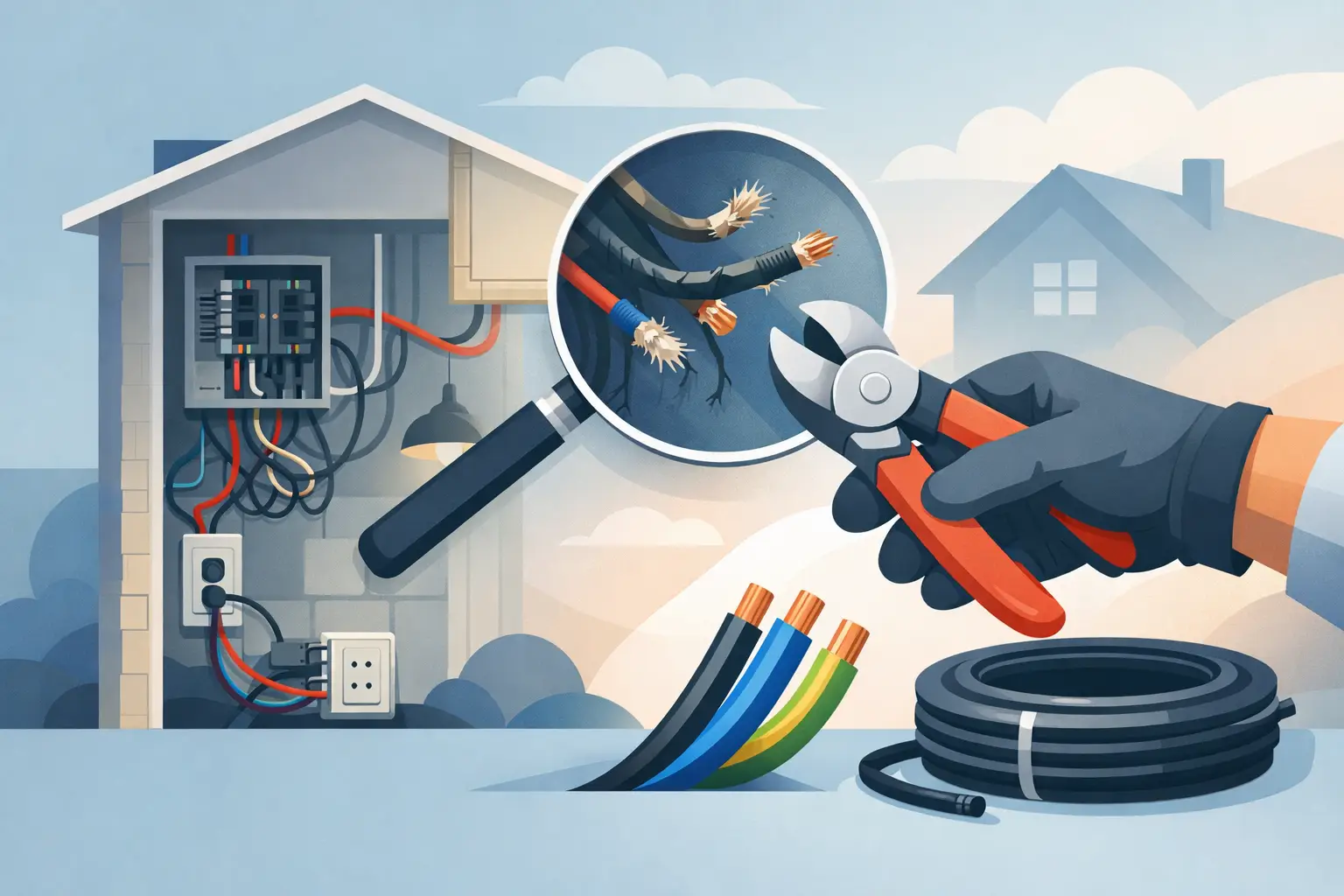
A power point that feels warm, lights that flicker when an appliance starts, or a switchboard that regularly trips are not problems to ignore. Knowing when wiring should be replaced can prevent electric shock, electrical fires and costly damage to your home or business. For properties across Ormeau, the Gold Coast and Logan, the answer is rarely based on age alone. It comes down to the wiring’s condition, its capacity and whether it meets the demands of a modern property.
When Should Wiring Be Replaced?
Wiring should be replaced when its insulation is deteriorating, its safety cannot be confirmed, or it is no longer suitable for the electrical load placed on the property. Older wiring can remain serviceable when it has been properly maintained and tested, but age raises the need for a professional inspection.
Many Australian homes built before the 1980s were designed for a very different way of living. They may have had one television, a few kitchen appliances and far fewer power points. A modern household can include air conditioning, induction cooking, pool equipment, home office equipment, EV charging, security systems and multiple high-demand appliances operating at once.
Adding more double adaptors or power boards does not solve an undersized electrical installation. It can place further strain on ageing circuits and connections. In some cases, targeted upgrades are enough. In others, a full rewire is the safest and most practical long-term solution.
Warning Signs That Need a Licensed Electrician
Some electrical faults are obvious, while others sit behind walls or in the roof space without any visible sign. If you notice any of the following, arrange an inspection with a licensed electrician rather than waiting for the problem to worsen:
- frequent circuit breaker trips or blown fuses
- lights that dim, flicker or surge when appliances are used
- warm, discoloured, cracked or loose switches and power points
- burning smells, buzzing sounds or small shocks from electrical fittings
- damaged, brittle or exposed cable insulation
- a lack of earthed power points in older areas of the property
A burning smell, smoke, sparks, a hot switchboard or repeated loss of power may indicate an urgent fault. Turn off power at the main switch if it is safe to do so, avoid touching damaged equipment, and arrange emergency electrical assistance. These are not issues to troubleshoot yourself.
Ageing Wiring Materials to Look Out For
The type of cable installed can provide useful clues, although only an electrician can confirm its condition and suitability. Very old properties may contain rubber-insulated or cloth-covered wiring. Over time, these materials can become dry and brittle, particularly in hot roof spaces. Once insulation cracks, live conductors may be exposed or able to contact other materials.
Older installations may also use ceramic fuses, rewireable fuse wire, limited earthing or a switchboard that lacks modern safety switches. These features do not automatically mean the entire property needs rewiring, but they warrant an assessment. A switchboard upgrade may improve circuit protection, yet it cannot repair degraded cable concealed in walls.
Aluminium wiring can also require special attention in some older properties. Its connections need to be correctly installed and maintained, as poor connections can loosen and overheat. The right response depends on what is found during testing, not on assumptions made from the building’s age.
Renovations Often Reveal the Need for a Rewire
A renovation is one of the best times to assess and replace wiring. Once walls, ceilings or flooring are opened, cable routes are easier to access and the work is less disruptive than a separate rewire later. It also gives you the opportunity to plan circuits around how you will actually use the space.
Kitchen and bathroom renovations commonly increase electrical demand. New ovens, cooktops, dishwashers, rangehoods, heat pumps and additional lighting may need dedicated circuits or upgraded cabling. The same applies when installing ducted air conditioning, a pool pump, a workshop circuit, solar equipment or an EV charger.
If a property is being extended, wiring should not simply be joined onto an already overloaded installation. A licensed electrician can assess the existing supply, switchboard capacity, earthing, safety switches and circuit layout before new work is connected.
Why Overloaded Circuits Are a Growing Concern
Electrical wiring is designed to carry a specified amount of current. When too many appliances share one circuit, cables and connections can overheat before a fault becomes obvious. Modern circuit breakers and safety switches offer critical protection, but they are not a substitute for correctly sized, sound wiring.
Common signs of an overloaded setup include needing power boards in every room, losing power when several appliances run together, or avoiding use of certain appliances at the same time. These habits may feel manageable, but they can indicate that the electrical system no longer matches the property’s needs.
A practical upgrade may involve adding circuits and power points rather than replacing every cable. However, if the original wiring is degraded, has poor earthing or cannot safely support the upgrade, replacement becomes the more sensible option.
Electrical Safety Checks for Landlords and Business Owners
Landlords and commercial property operators have additional reasons to stay ahead of wiring issues. Tenants, staff and customers rely on the property’s electrical installation being safe, functional and fit for purpose. Frequent maintenance calls, unexplained tripping or damaged outlets should be investigated rather than repeatedly patched.
Commercial premises can place substantial demand on electrical systems through refrigeration, machinery, computers, lighting, air conditioning and security equipment. A circuit that was adequate for a small office may not be adequate after a fit-out or change in business use.
For investment properties, an inspection before a new tenancy, major renovation or appliance upgrade can identify concerns early. It also provides a clearer basis for planning work, rather than facing an avoidable emergency after a fault develops.
Repair, Partial Rewire or Full Replacement?
Not every electrical issue requires a complete rewire. A damaged cable section may be repaired, a new circuit may be installed for an appliance, or an outdated switchboard may be upgraded with safety switches and circuit breakers. These options can be cost-effective when the remaining installation is in good condition.
A full rewire is more likely where there is widespread insulation deterioration, outdated cable throughout the property, unsafe or inaccessible joints, poor earthing, repeated faults across multiple circuits, or major renovation work underway. The scope can vary considerably depending on access to roof spaces, wall construction, whether the home is occupied and the number of circuits required.
Rewiring an occupied home can involve opening small sections of wall or ceiling, temporarily isolating areas and coordinating around daily use. A qualified electrician should explain the proposed scope, likely disruption and options for staging the work. Clear planning matters, particularly for homes, tenanted properties and operating businesses.
Do Not Rely on a Visual Check Alone
Cable can look acceptable at a power point while its insulation has deteriorated elsewhere. Likewise, a clean-looking switchboard may hide overloaded circuits or poor connections. Proper assessment involves testing and inspection by a licensed electrician, including the condition of fittings, earthing, circuit protection and the electrical load being used.
In Queensland, electrical work must be completed by appropriately licensed professionals. This is not only about compliance. It ensures faults are assessed safely, replacement cables are correctly selected, and testing is carried out before work is returned to service.
If your property has old wiring, recurring electrical faults or plans for new high-demand equipment, arranging an inspection now is usually far easier than dealing with an electrical failure later. All Phase Electrical can assess the installation, explain the practical options and complete the required work with licensed local expertise.