Home Electrical Safety Guide for Households
By All Phase Electrical QLD · Published
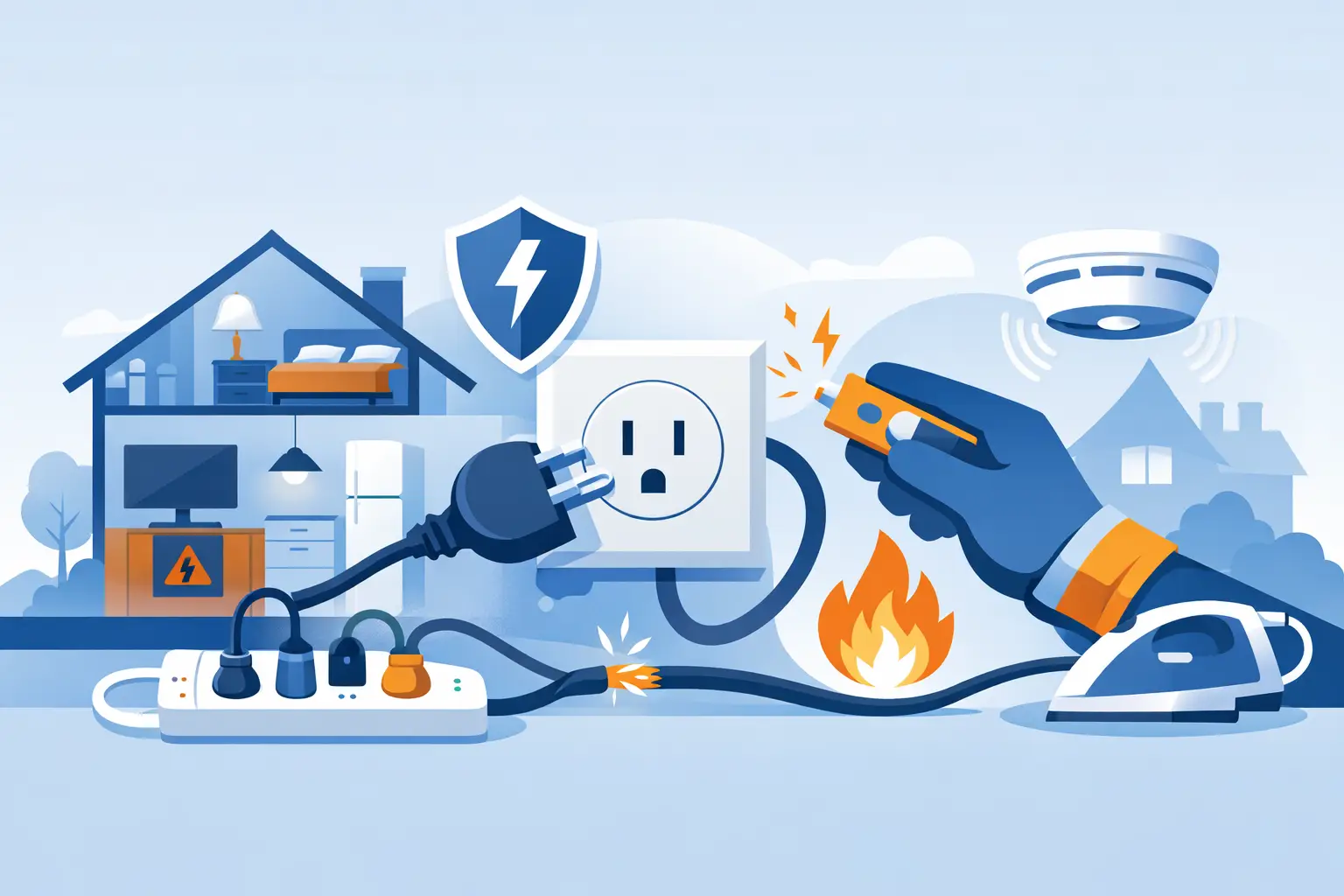
Power points that feel warm, lights that flicker for no clear reason, or a switchboard that trips when the kettle and air fryer run together are not minor annoyances. They are early warnings. A solid home electrical safety guide helps you spot those signs before they turn into property damage, expensive repairs, or a serious shock risk.
For homeowners, landlords and property managers across Ormeau, the Gold Coast and Logan, electrical safety is less about theory and more about making sound decisions at the right time. Most issues start small. A worn cable, an overloaded circuit, an ageing switchboard or a faulty appliance can sit unnoticed until demand increases and the system is pushed past what it can safely handle.
Why a home electrical safety guide matters
Modern homes place far more demand on electrical systems than they did even 15 or 20 years ago. Air conditioning, larger televisions, home office equipment, security systems, chargers, pool equipment and kitchen appliances all draw power across the day. If the wiring or switchboard has not kept up, the risk increases.
That does not mean every older home is unsafe. It does mean older properties need closer attention, especially if they have had renovations, added appliances or piecemeal electrical work over time. A property can appear to function normally while still having underlying compliance or safety issues.
For landlords and investors, there is another layer to consider. Electrical issues can quickly become tenancy issues, insurance issues and maintenance liabilities. Acting early is usually simpler and less costly than dealing with an emergency callout after a failure.
The warning signs you should not ignore
Some electrical faults are obvious, but many are easy to dismiss until they become more serious. Repeated tripping at the switchboard is one of the clearest signs something needs inspection. A safety switch may be doing its job, but frequent trips suggest a fault in a circuit, appliance or connected equipment.
Flickering lights are another common warning. Sometimes the cause is straightforward, such as a failing lamp or loose fitting. Other times it points to a poor connection, voltage fluctuation or a circuit issue that needs proper testing.
Burning smells, buzzing sounds from outlets or switches, and discolouration around power points all deserve immediate attention. These can indicate overheating or arcing, which should never be left to monitor casually. If you notice sparking when plugging in appliances, that is also a sign to stop using the outlet and arrange a licensed electrician.
Warm switch plates, tingling sensations from appliances, or power points that no longer hold plugs firmly are also worth taking seriously. Electrical safety is often about recognising patterns. One symptom on its own may not tell the whole story, but several small signs together usually mean the system needs a closer look.
Everyday habits that improve electrical safety at home
A practical home electrical safety guide is not only about faults. It is also about everyday use. The way a household uses its power points, appliances and extension leads can either reduce risk or create it.
Power boards are a common example. They are useful, but they are also frequently overloaded. Running multiple high-demand appliances from a single board, especially in kitchens, garages or home offices, can create heat and stress on the circuit. A power board is not a substitute for enough correctly installed outlets.
Extension leads should be treated as temporary, not permanent wiring. If a lead is being used every day because there are not enough power points where you need them, that usually points to a better long-term solution. Leads should never run under rugs, through doorways where they can be damaged, or outdoors unless they are designed for that use.
Appliance cords also deserve regular checks. Fraying, crushed insulation, exposed wiring or loose plugs are all reasons to stop using the item until it is repaired or replaced. This is especially important in homes with pets, children or heavy foot traffic where cords are more likely to be damaged.
Water and electricity remain one of the highest-risk combinations in any property. Bathrooms, laundries, kitchens, outdoor entertaining areas and pool zones need extra care. If lighting, outlets or appliances are being installed or replaced in these areas, the work must be carried out correctly and to current standards.
Switchboards, safety switches and older homes
If there is one area that has a major effect on home safety, it is the switchboard. Many property owners do not think about it until there is a problem, but the switchboard is central to how safely power is distributed and protected.
A modern switchboard with correctly installed circuit protection and safety switches offers a much better level of protection than outdated boards. If your home still has an older board, ceramic fuses, or signs of previous patchwork additions, it is worth having the setup assessed.
Safety switches are designed to cut power quickly when they detect a fault. They are not the same as circuit breakers, and both have different roles. One protects people from electric shock risk, while the other helps protect circuits and wiring from overload and short circuit conditions. A property may have one form of protection without having the full level of safety expected in a modern installation.
For older homes in particular, upgrades can be the difference between a system that merely operates and one that operates safely. That is especially relevant when adding air conditioning, updating kitchens, installing CCTV, or increasing the number of appliances in daily use.
What you can do yourself and when to call a licensed electrician
There is a clear line between sensible homeowner checks and licensed electrical work. You can test safety switches using the test button as directed, check appliances for visible damage, avoid overloading outlets, and pay attention to changes in how your system behaves. You can also replace blown lamps and keep outdoor equipment stored correctly.
What you should not do is open switchboards, replace hardwired fittings, alter cabling, change outlets or attempt fault finding inside the electrical system. Even jobs that seem straightforward can involve serious risk or lead to non-compliant work.
In practice, if the issue involves fixed wiring, your switchboard, tripping circuits, repeated loss of power, damaged outlets, burning smells or any sign of overheating, it is time to call a licensed electrician. Fast action matters because some faults worsen gradually and others can escalate without much warning.
Electrical safety for landlords and property managers
Rental properties need a more proactive approach. Tenants may report faults only when they become disruptive, not when the first warning signs appear. That means routine attention to switchboards, smoke alarms, lighting, ceiling fans, appliances supplied with the property and outdoor electrical items can make a real difference.
Between tenancies is often the best time to inspect and complete upgrades. Access is easier, and problems can be resolved before a new tenant moves in. This is particularly useful in older investment properties where electrical capacity may not match current living expectations.
If a tenant reports flickering lights, tripping circuits, power loss to part of the property or a smell from an outlet, those are not issues to delay. The practical benefit of working with one qualified provider is that electrical, air conditioning and security-related systems can be reviewed together where relevant, instead of treating each fault as a separate problem.
Storms, outdoor areas and seasonal risks
In South East Queensland, weather adds another layer to electrical safety. Storm activity, moisture, heat and outdoor living spaces all place pressure on electrical installations. Exterior lighting, pool equipment, sheds, garage circuits and outdoor power points need to be suited to the environment and maintained properly.
After major storms, any signs of water ingress near fittings, damaged outdoor wiring or unusual switchboard behaviour should be checked promptly. If a circuit trips after wet weather and does not reset normally, that is a sign to stop and have it inspected rather than forcing power back on.
Summer also tends to expose hidden capacity issues. Once air conditioning, fridges, freezers and entertainment areas are all running at once, a marginal circuit or ageing board becomes much easier to spot.
A safer home starts with early action
Good electrical safety is rarely about one big decision. It is usually the result of paying attention early, avoiding temporary fixes that become permanent, and having the right work done before a small fault grows into a major one. For households and property owners in this region, that means taking warning signs seriously and relying on licensed local expertise when the system needs more than a basic check.
If something in your home has changed - the lights, the switchboard, the way appliances are performing, or the number of times a circuit trips - trust that instinct and have it looked at properly. That simple step is often what keeps a manageable issue from becoming an urgent one.