Smoke Alarm Installation Requirements in QLD
By All Phase Electrical QLD · Published
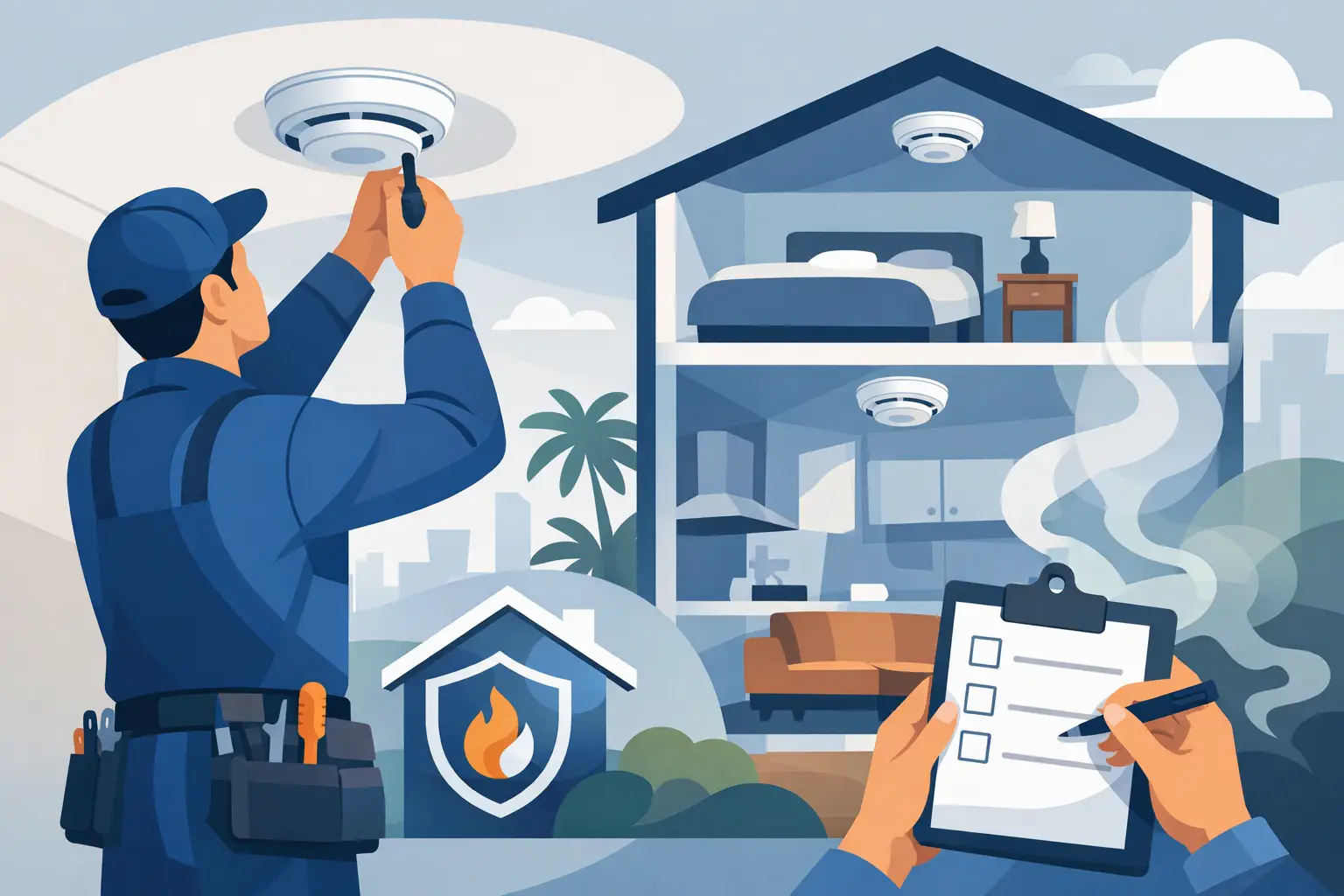
If you own a home, manage a rental, or oversee a commercial site, smoke alarm installation requirements are not something to leave until the last minute. In Queensland, the rules are specific, the deadlines matter, and a non-compliant setup can create real risk for people as well as problems at sale, lease, or inspection time.
For most property owners, the issue is not whether smoke alarms are required. It is whether the alarms you already have meet current standards, are in the right locations, and have been installed correctly. That is where many properties fall short, especially older homes that still have outdated battery-only units or alarms positioned where they do not provide proper coverage.
What smoke alarm installation requirements mean in practice
In Queensland, smoke alarm laws have been tightened over time to improve life safety in homes. The broad direction is clear. Alarms need to be photoelectric, compliant with the relevant Australian Standard, and installed in positions that give occupants the best chance of early warning.
For many homes, compliance also means alarms must be interconnected so that when one activates, they all sound. That matters in larger homes, two-storey layouts, and properties where bedrooms are separated from living areas. A single alarm in a hallway is no longer enough in many cases.
The exact requirement can depend on the type of property and whether it is being sold, leased, newly built, or substantially renovated. That is why a quick visual check is rarely enough. A licensed electrician can assess the property layout, confirm what standard applies, and identify whether relocation, additional alarms, or hardwired interconnection is needed.
Smoke alarm installation requirements for Queensland homes
For domestic dwellings in Queensland, compliant smoke alarms generally need to be photoelectric and meet AS 3786:2014. They must be installed on each storey, in every bedroom, in hallways that connect bedrooms to the rest of the dwelling, and in areas between bedrooms and the remainder of the home where no hallway exists.
In practical terms, that often means more alarms than property owners expect. A four-bedroom family home may need alarms in each bedroom, one in the hallway, and potentially another in a connecting living zone depending on the layout. Open-plan designs can also change placement requirements because the path of travel from sleeping areas to exits is part of the safety outcome.
Interconnection is another major point. In homes captured by the updated Queensland rules, smoke alarms must be interconnected so every alarm activates together. This can be achieved through hardwiring or approved wireless interconnection, but the installation still needs to be suitable for the property and compliant with the applicable requirements.
Power supply also matters. New builds and substantially renovated homes generally require hardwired smoke alarms connected to the consumer mains power, with a secondary backup power source. In some existing homes, ten-year lithium battery alarms may be acceptable depending on the property and trigger event, but that does not mean any off-the-shelf unit is automatically compliant.
Where smoke alarms should and should not be installed
Placement is just as important as the alarm itself. A compliant alarm installed in the wrong spot may still leave bedrooms exposed or cause repeated false alarms that lead occupants to disable the unit.
Smoke alarms are generally installed on or near the ceiling because smoke rises. In bedrooms and hallways, spacing from walls, corners, and air-conditioning outlets needs to be considered. If an alarm is too close to a supply air vent or ceiling fan, airflow can affect how quickly smoke reaches the sensor.
There are also locations to avoid. Kitchens, bathrooms, laundries, and areas too close to cooking appliances can trigger nuisance alarms. That does not mean those zones should be ignored. It means the placement should protect the sleeping path without putting the alarm where steam, heat, or cooking fumes regularly interfere with operation.
In homes with raked ceilings, split levels, stair voids, or unusual architectural features, alarm location becomes more technical. These are the situations where DIY decisions often miss the mark. The right position depends on how smoke is likely to travel through the building, not just where it is easiest to screw an alarm into the ceiling.
Sales, leases, and renovation triggers
One of the most common reasons property owners look into smoke alarm installation requirements is because they are preparing to sell or lease. In Queensland, these events can trigger upgraded compliance obligations. Landlords and sellers who assume the existing alarms are fine can end up facing delays, defect notices, or urgent replacement work just before settlement or tenant handover.
Renovations can trigger changes too. If a home is substantially renovated, the smoke alarm standard expected may be closer to that of a new dwelling. That can involve hardwired interconnected alarms rather than a simple one-for-one replacement.
For investors and landlords, the practical takeaway is simple. Do not treat smoke alarm compliance as a box-ticking exercise after the lease paperwork is ready. Check the property early, especially if it is older or has had layout changes over time. That gives you time to correct any issues properly rather than making rushed decisions.
Why licensed installation matters
Smoke alarms sit at the intersection of life safety and electrical compliance. While some battery-operated units may appear simple to fit, the broader compliance picture is not always simple. Once hardwiring, interconnection, replacement of outdated units, or assessment of legal obligations is involved, licensed electrical work becomes the safer and more reliable path.
A licensed electrician can confirm whether the existing alarms are compliant, whether the power supply arrangement is suitable, and whether the locations meet the intent of the legislation. They can also identify related issues such as ageing wiring, switchboard concerns, or poor previous workmanship that may affect a hardwired alarm install.
For landlords and business operators, licensed installation also provides confidence that the work has been carried out to the correct standard. In a safety-critical area, that matters. If there is ever an incident, undocumented or poorly completed work can become a serious problem.
Common compliance issues we see
Older Queensland homes often have one or more of the same problems. The most frequent is simply not enough alarms. A single unit near the living room does not meet current expectations for most residential layouts.
The next issue is outdated technology. Ionisation alarms, ageing battery units, or alarms beyond their service life can all leave a property short of current requirements. Smoke alarms are not install-and-forget devices. They have a limited lifespan and need replacement at the end of that period, even if they still chirp when tested.
Incorrect placement is another common issue. Alarms installed too close to kitchens or bathrooms can cause nuisance activation, while units installed too far from bedrooms reduce early warning. We also see homes with mixed alarm types that are not properly interconnected, which limits the effectiveness of the overall system.
For multi-storey properties, stair access and sleeping-zone separation can complicate the layout. A compliant solution usually needs a site-specific approach rather than a generic retail purchase and a ladder.
What property owners should do next
If you are unsure whether your property meets smoke alarm installation requirements, start with the age and layout of the home. Ask when the alarms were installed, whether they are photoelectric, whether they are interconnected, and whether there is an alarm in every required sleeping area.
If you are planning to sell, lease, renovate, or bring an older property up to standard, arrange an inspection before deadlines are close. That gives you a clear scope of work and avoids emergency upgrades when time is tight.
For homes and premises across Ormeau, the Gold Coast, and Logan, this is the sort of work best handled properly the first time. All Phase Electrical can assess existing smoke alarms, advise on the correct upgrade path, and complete compliant installation where required.
A working smoke alarm is easy to ignore when everything seems fine. The right installation only proves its value when seconds count, which is exactly why it is worth getting right now.