Why Does My Fuse Box Buzz? What to Do Next
By All Phase Electrical QLD · Published
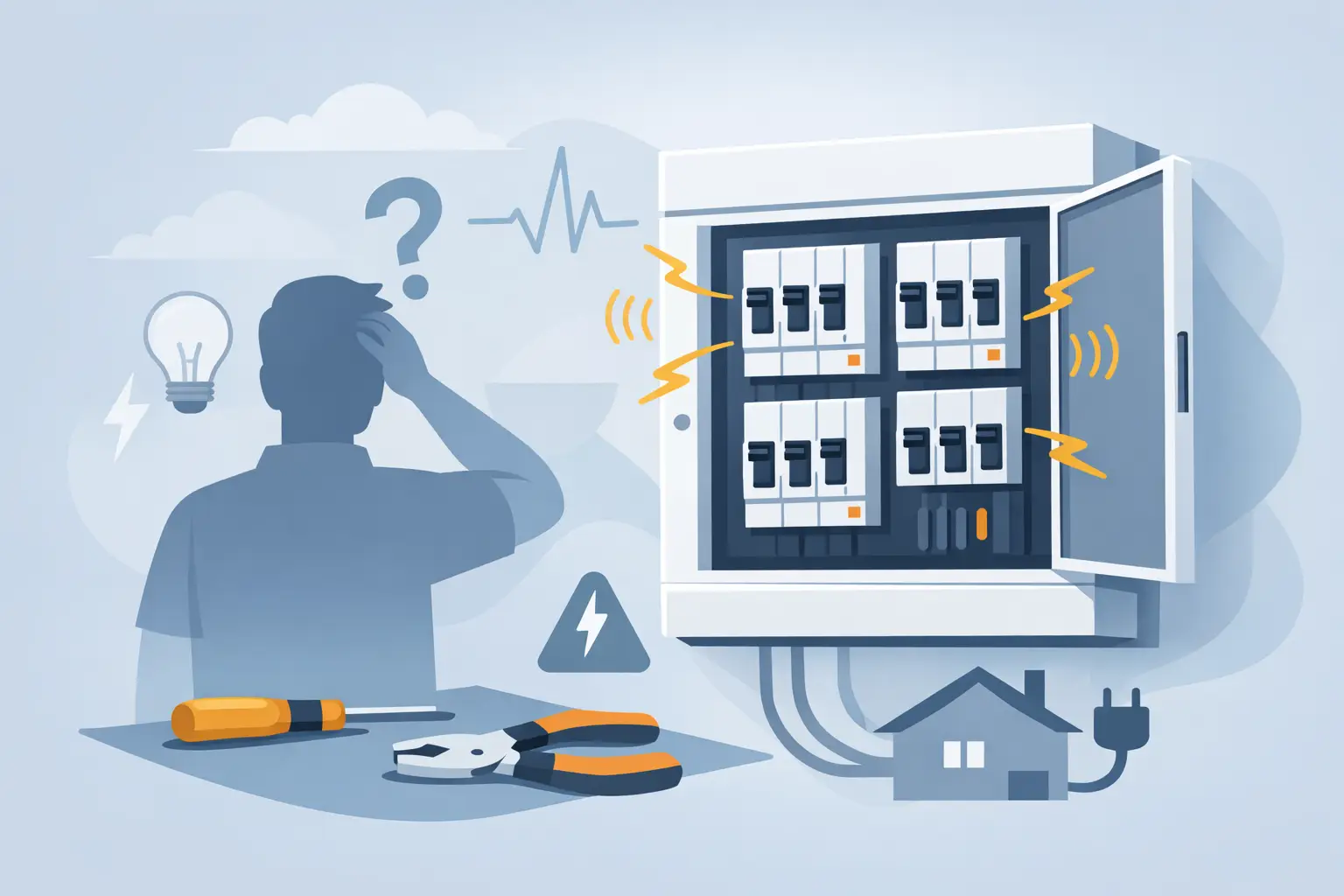
A buzzing sound from your switchboard is not something to ignore. If you are asking, “why does my fuse box buzz?”, the short answer is that electricity may be arcing, a connection may be loose, or a component may be overloaded or failing. In Australian homes, what many people call a fuse box is more commonly a switchboard containing circuit breakers, safety switches and other electrical protection devices.
A faint, steady hum can occasionally come from certain electrical equipment, but a new, noticeable or worsening buzz at the switchboard deserves prompt attention from a licensed electrician. The risk is not just an inconvenient power failure. Faults inside a switchboard can generate heat, damage wiring and, in serious cases, create a fire hazard.
Why does my fuse box buzz?
The sound itself usually comes from vibration or electrical arcing. Alternating current operates at a frequency that can cause loose metal parts or magnetic components to vibrate. When everything is correctly installed and in good condition, that vibration should not be loud enough to be a concern.
A distinct buzz, crackle, sizzle or intermittent humming noise is different. It can indicate a poor connection or a component that is no longer operating safely. The cause cannot be confirmed from sound alone, especially where the switchboard cover is closed, so it is not a job for homeowners, landlords or maintenance staff to investigate internally.
Older properties across the Gold Coast and Logan may still have dated fuse boards, ceramic fuses or switchboards that were not designed for the electrical demand of modern air conditioning, pool equipment, induction cooking, EV charging and multiple appliances. In those situations, buzzing can be one sign that an upgrade is overdue.
Common causes of buzzing at a switchboard
Loose terminals or wiring connections
Loose connections are one of the more serious reasons a switchboard may buzz. A cable terminal that has loosened over time can create resistance and electrical arcing. This may produce a buzzing or crackling noise, often with heat building up around the affected connection.
Connections can loosen through normal expansion and contraction, vibration, previous workmanship issues or repeated heavy electrical loads. The problem may be isolated to one circuit, but it can still affect essential areas of the property such as lighting, power points, hot water or air conditioning.
Overloaded circuits
A circuit can become overloaded when too many appliances draw power at once. This is common in homes where one circuit supplies several high-demand items, or in commercial premises where equipment has been added without reviewing the existing electrical capacity.
An overloaded circuit does not always buzz, but it can place stress on breakers, wiring and connections. You may also notice tripping circuit breakers, flickering lights, warm power points or a burning smell. If the buzzing happens when the air conditioner, oven, dryer, pool pump or workshop equipment is running, tell your electrician. That timing can help identify the affected circuit.
A faulty circuit breaker, safety switch or fuse
Circuit breakers and safety switches are designed to protect people and property. Like any electrical component, however, they can wear out or develop faults. A failing breaker may vibrate internally, make a humming sound or trip unexpectedly.
Older rewireable fuses and fuse carriers can also deteriorate. Replacing a blown fuse with the wrong type or rating is particularly dangerous, as it can remove the protection the circuit needs. A licensed electrician can assess whether the existing equipment is suitable, repair the fault where appropriate, or recommend a switchboard upgrade.
Water, corrosion or pest damage
Switchboards installed in garages, external cupboards, sheds or plant rooms can be exposed to moisture, condensation, salt air and dust. On the Gold Coast, humid conditions and severe weather can accelerate corrosion where enclosures or cable entries are not properly protected.
Water and electricity are a dangerous combination. Corrosion can compromise connections, while pests can damage cable insulation and leave debris in electrical enclosures. A buzzing board following heavy rain, flooding, pressure cleaning nearby or evidence of pest activity should be treated as urgent.
A poorly matched or ageing switchboard
Electrical systems have changed significantly over the years. An old switchboard may lack adequate safety switch protection, have limited circuit capacity, or contain components that are no longer reliable. Additions such as solar systems, battery storage, air conditioning, security cameras and new appliances can expose those limitations.
A switchboard upgrade is not automatically required because a board makes noise. It depends on the condition of the equipment, the source of the fault, the property’s electrical load and current compliance requirements. However, a professional inspection may show that repairing one component is only a short-term fix for an ageing system.
What to do if your switchboard is buzzing
Keep clear of the switchboard and do not remove its cover, tighten terminals or attempt to replace breakers yourself. In Queensland, electrical work must be completed by an appropriately licensed person. The inside of a switchboard can contain live parts even when individual circuits are switched off.
If there is a burning smell, smoke, sparking, scorch marks, excessive heat, a crackling sound or repeated tripping, treat the situation as an electrical emergency. Keep people away from the area and arrange urgent assistance from a licensed electrician. If there is an immediate threat to life or property, call 000.
Avoid repeatedly resetting a breaker that trips. A circuit breaker is responding to a fault or overload, and forcing it back on can make the underlying issue worse. It is also sensible to avoid using high-load appliances until the switchboard has been assessed, particularly if the noise changes when those appliances operate.
For rental properties, tenants should report the issue to the property manager or landlord promptly, while landlords should arrange a qualified electrician rather than asking a tenant to test or open the board. Commercial operators should notify the responsible facility manager and keep staff away from the affected area.
When a buzz may be less urgent, but still needs checking
Some electrical devices can produce a low hum during normal operation. For example, a contactor associated with off-peak hot water, pool equipment or an older lighting control system may make a quiet sound. That does not necessarily mean the switchboard itself is unsafe.
The key difference is whether the sound is new, loud, irregular or accompanied by other symptoms. A stable, very faint hum from a known device may be less urgent than a sudden buzz combined with flickering lights or hot electrical equipment. Even then, it is worth raising at your next electrical service, because a licensed electrician can identify the source without guesswork.
Noise can also travel through walls and conduits. What sounds like it is coming from the fuse box could originate from a nearby transformer, doorbell unit, solar inverter, smoke alarm power supply or appliance. A proper inspection should trace the sound before any repairs are recommended.
What an electrician will check
A licensed electrician will inspect the switchboard enclosure, protective devices, cable terminations and signs of heat or corrosion. They may test circuits, assess electrical load, check safety switch operation and identify whether the noise is caused by equipment inside or near the board.
The right repair could be as targeted as replacing a faulty breaker or rectifying a loose connection. In other cases, the safest long-term outcome may be new circuits, improved protection or a complete switchboard upgrade. The appropriate option depends on the age of the installation, the condition of the wiring and how the property uses power.
All Phase Electrical assists homeowners, landlords and businesses across Ormeau, the Gold Coast and Logan with fault finding, emergency electrical work and switchboard upgrades. A clear diagnosis gives you a safer outcome than assuming a buzzing sound will settle on its own.
A switchboard should operate quietly in the background. If yours has started buzzing, especially alongside heat, smells, flickering or tripping, arrange a licensed inspection before a small fault becomes a costly or dangerous one.